The way in which we consume TV evolved; from traditional scheduled TV to on-demand platforms. There are so many benefits to these innovations, but also so many dangers. Is this new TV really better than the old one?
Mareike Jenner named this new phase the fourth stage or ‘TVIV’. The main protagonists of this era are platforms, or portals, as Lotz calls them, like Netflix. They have brought different ways of consumption and many advantages. Viewers do not have to wait for an episode to be broadcast, as the platforms are not scheduled. They also work with subscription models that prioritize subscriber retention, so the viewing experience is much more personalized.
Nevertheless, the viewer autonomy offered by internet-distributed TV also has important drawbacks. The main one is ‘binge-watching’, which can lead viewers into addictive habits. Watching many episodes at once can make them less appreciative of the content, as quantity takes precedence over quality. Traditional TV used to be a shared activity for families, while new platforms lead us to isolation. Another important downside is the physical and mental health problems, as well as emotional fatigue or the reduced attention span. Also, being guided by the algorithm can lead viewers to focus on a limited type of content, as opposed to the variety of content that traditional TV shows.
Some years ago, we could watch long TV series such as The Sopranos, Breaking Bad, Gossip Girl or How I Met Your Mother in the traditional TV channels gathered with family or friends when broadcasted. Whereas now, we could watch all of them in a row on platforms.
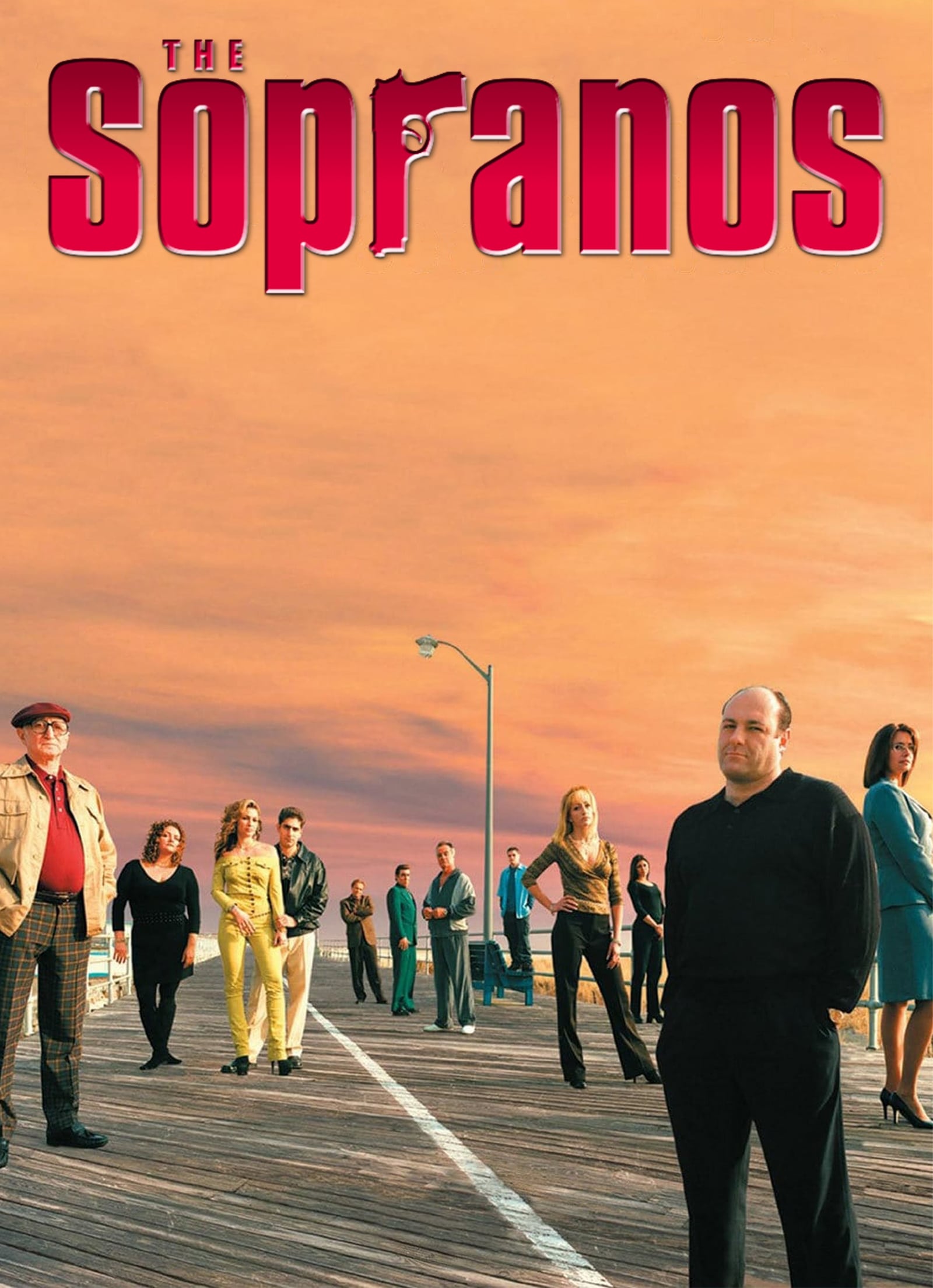


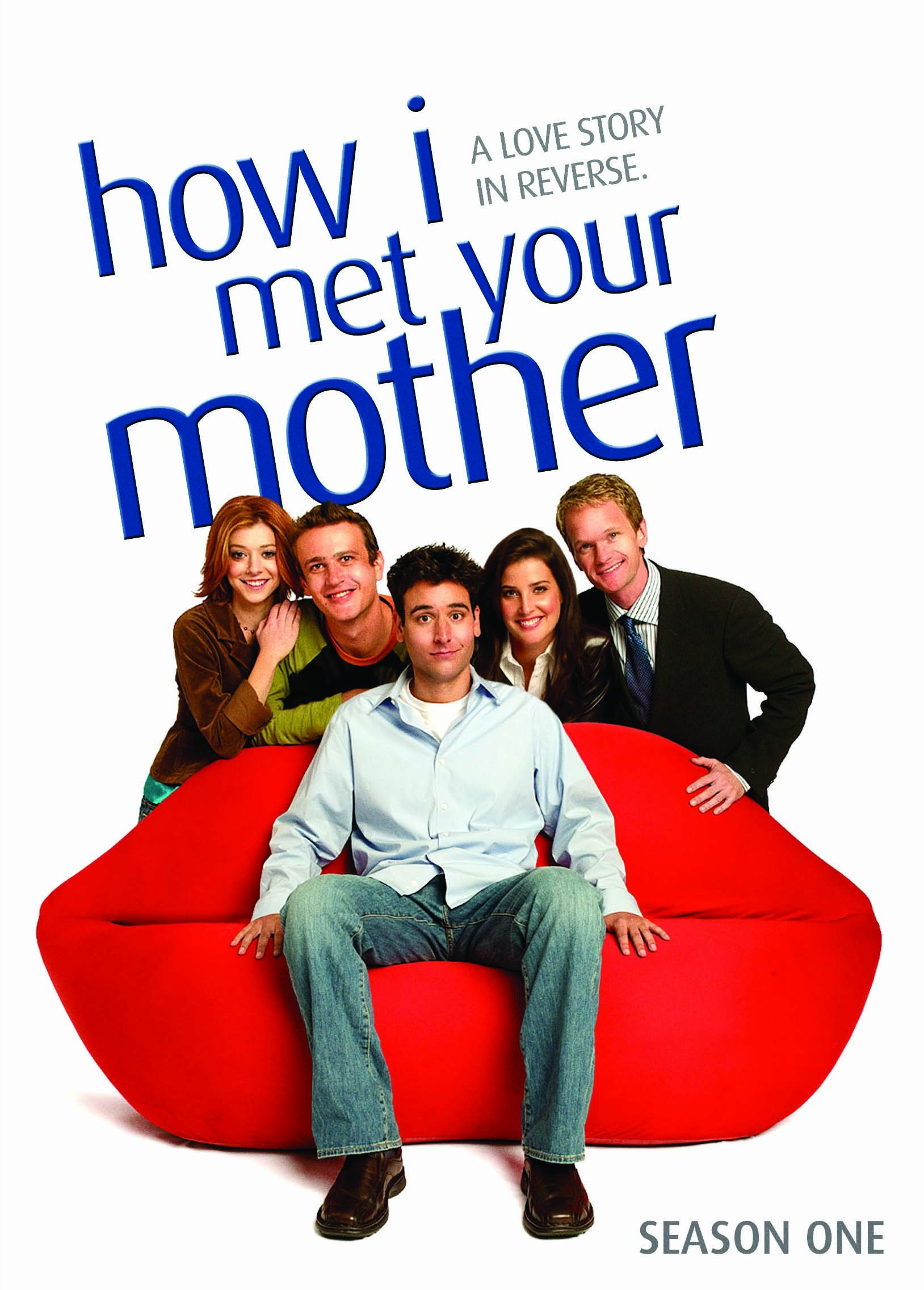
Categorizing new or traditional TV as good or bad is not possible, since both have their own good and bad sides. However, it would be useful to focus on the drawbacks of new media, as we should educate ourselves about them in order to learn how to manage them and make the most of them.
By Elisabeth Zubiaguirre 33871955
Bibliography:
‘Breaking bad’ (2008). Produced by High Bridge Entertainment, Gran Via Productions, and Sony Pictures Television.
CNBC (2018) What’s the future for streaming media vs. traditional cable? | CNBC. https://www.youtube.com/watch?v=pvw45y7DBrM.
Ford, J. (2019) ‘The Netflix Effect: Technology and Entertainment in the 21st Century, Kevin McDonald and Daniel Smith-Rowsey (eds) (2016),’ Journal of Digital Media & Policy, 10(1), pp. 127–129. https://doi.org/10.1386/jdmp.10.1.127_5.
‘Gossip Girl’ (2007). Produced by Alloy Entertainment, College Hill Pictures, and Warner Bros. Television.
‘How I Met Your Mother’ (2005). Produced by 20th Century Fox Television.
Jenner, M. (2014) ‘Is this TVIV? On Netflix, TVIII and binge-watching,’ New Media & Society, 18(2), pp. 257–273. https://doi.org/10.1177/1461444814541523.
Jenner, M. (2015) ‘Binge-watching: Video-on-demand, quality TV and mainstreaming fandom,’ International Journal of Cultural Studies, 20(3), pp. 304–320. https://doi.org/10.1177/1367877915606485.
Lotz, A. (2017) Portals. https://doi.org/10.3998/mpub.9699689.
‘The Sopranos’ (1999). HBO.
 Digital Audiovisual Media Class Blog
Leave a comment