Written by Liah Twumasi Danquah | 33772944
ASAP Rocky’s “Taylor Swif” music video is a striking example of the “second aesthetic”, a concept describing creative styles emerging from shifts in technology, platforms and media convergence (Vernallis, 2013, pp207). This is an aesthetic built on different types of digital media, where creative work breaks out from the traditional boundaries and becomes something new.
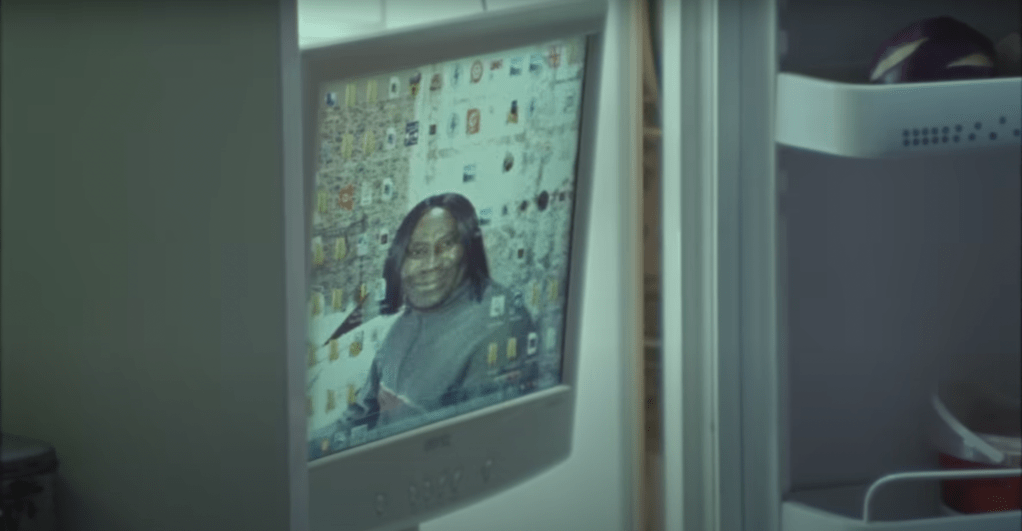
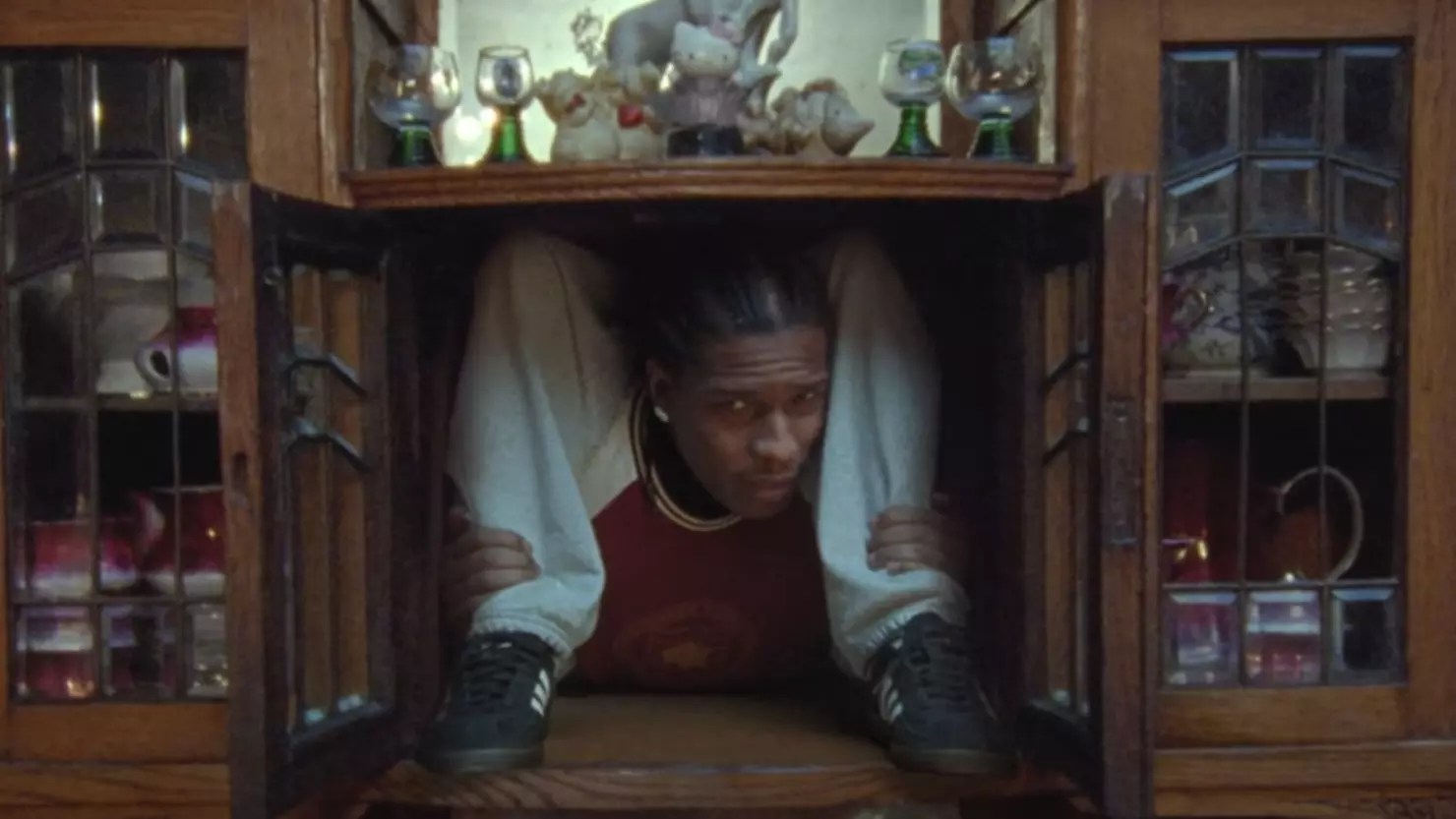
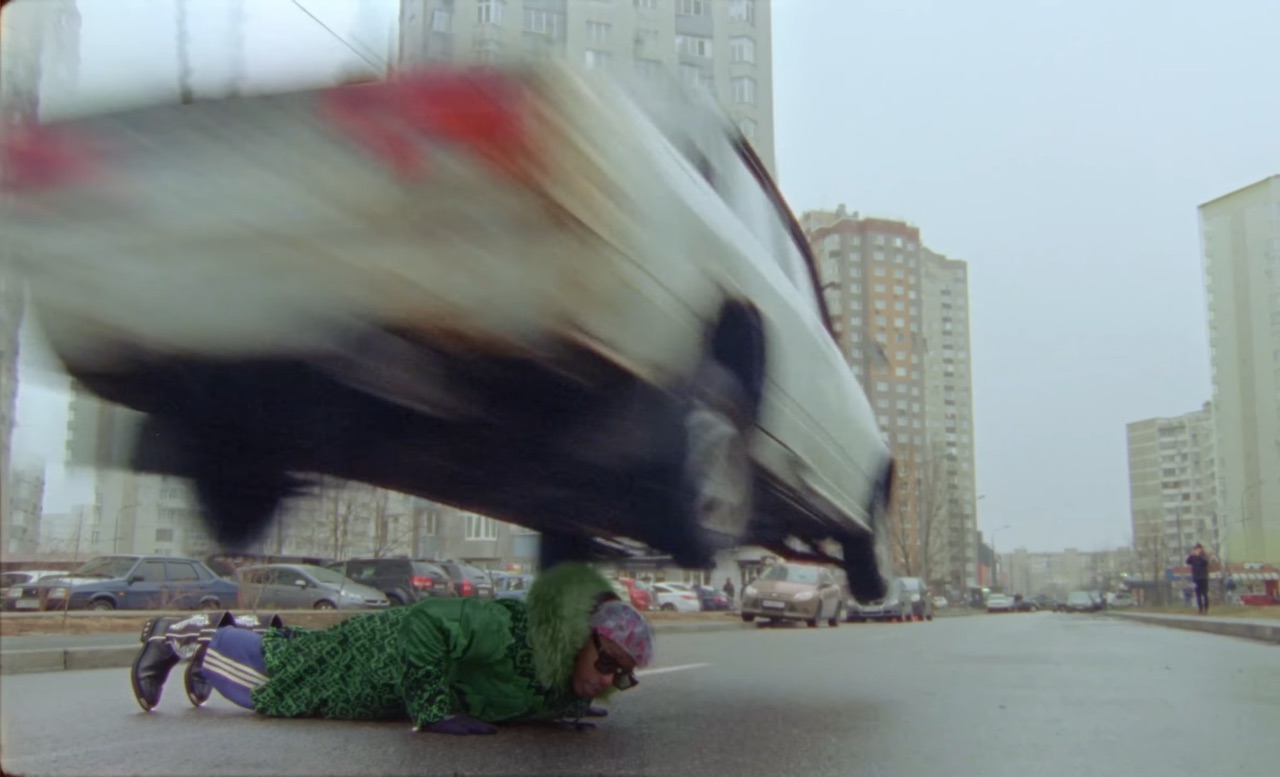
This video reflects the qualities of the second aesthetic. Throughout, ASAP Rocky perform against a backdrop of surreal and unexpected imagery. It features a blend of hyper-stylised visuals, special effects and mixed media. For example, there was a moment where the camera pans to a woman using an old vintage computer in a fridge. It serves as a contrast to the high-definition cinematography and makes evident the friction between old and new technologies, blending eras to create a unique visual language. We could also point out that this aesthetic of mixing different aesthetics mirrors the way digital platforms like Instagram and TikTok show an array of visuals.
Even the video’s pacing reflects a culture shaped by digital platforms. The quick edits and meme-worthy visuals feel designed for rewatching, sharing and remixing online. It’s not just a video – it’s part of a larger system of content made for interaction and reinterpretation. As Vernallis notes, without “digital cameras and new post production techniques” such editing would not have been possible ( 2013, pp218).
From ASAP Rocky’s high-fashion outfits to surreal, dream-like visuals, “Taylor Swif” transcends traditional music video ideals. It blends music video visuals (like dancer performances), fashion and experimental artistic film. This kind of blend is a part of the second aesthetic, where there isn’t a focus on keeping different media separate but rather exploring creating new aesthetics.
ASAP Rocky’s “Taylor Swif” really embodies the second aesthetic, combining analog aspects with digital experimentation. It is a reflection of how technology and media convergence are shaping a new era of creativity.


References
Vernallis, C. (2013) Unruly media YouTube, music video, and the new digital cinema. New York: Oxford University Press.
Shaviro, S. (2022) The Rhythm Image : Music Videos and New Audiovisual Forms. New York: Bloomsbury Academic & Professional.
 Digital Audiovisual Media Class Blog
Leave a comment