YouTube is the leading video-sharing platform that wields immense cultural and social influence and cultivated lots of successful content creators. Creators here are commercialising and professionalising native social media users that generate original content. Their work can be promoted and monetised on online platforms like YouTube (Cunningham and Craig, 2019, p. 70). However, beneath the surface, its reliance on algorithms may be hindering the very creativity it claims to nurture.
Over reliance in Algorithms brings Homogenisation
To maintain engagement, the platform rewards videos with high click-through rates, longer watch times, and consistent uploads. This pushes creators to focus less on originality and more on creating content tailored to algorithmic preferences. Over time, this chase for algorithm-friendly content shapes the type of videos being produced, nudging creators to prioritise formulas that are profitable or trendy.
This leads to a second, more troubling consequence: the homogenisation of content. Once creators identify the characteristics of what works – such as catchy thumbnails, trending topics, or specific video lengths – they replicate these strategies. When ChatGPT was released to the public, soon there was a flood of similar videos on ChatGPT, with little room for experimentation. The drive to cater to the algorithm often comes at the expense of authentic expression, creating an ecosystem where creativity is secondary to predictability.
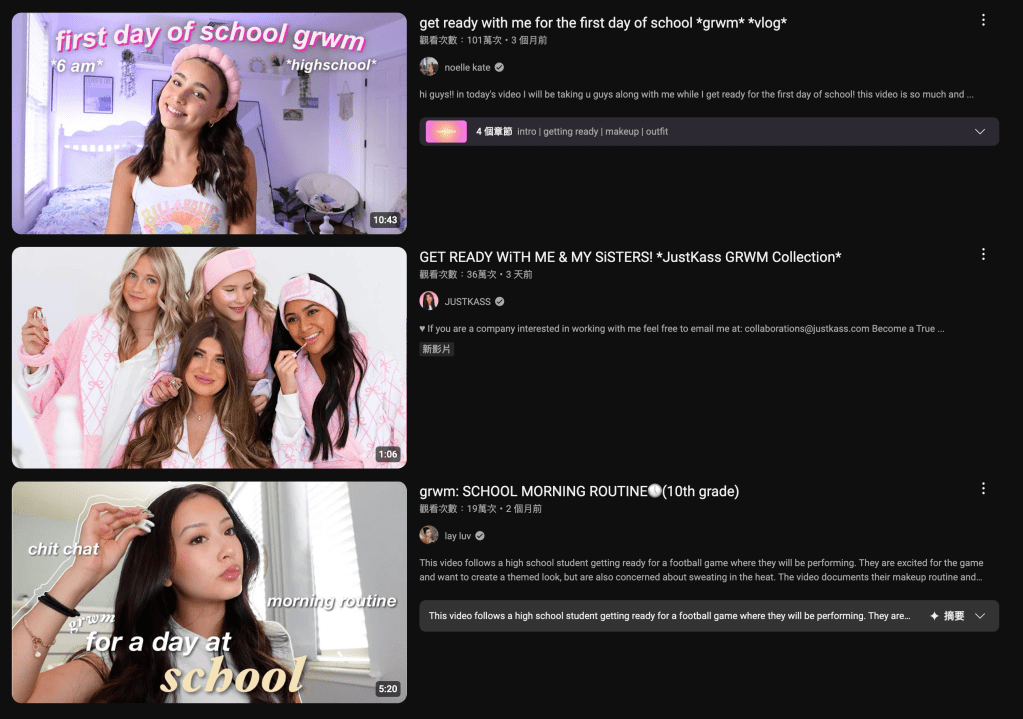
Clickbait and Short-term Gain
This practice brings sensationalism and clickbait. To stand out in an oversaturated market, creators often resort to eye-catching but misleading titles or shallow content designed solely for virality. This doesn’t just dilute creativity, it also erodes trust between creators and their audiences.
The worst thing is that many creators abandon long-term, meaningful projects that may not immediately align with algorithmic preferences to attain short-term rewards. YouTube’s metrics such as the views or watch time reward short-term gains over long-term storytelling or creative risks. As a result, creators often put aside ambitious or experimental projects in order to achieve quick wins.
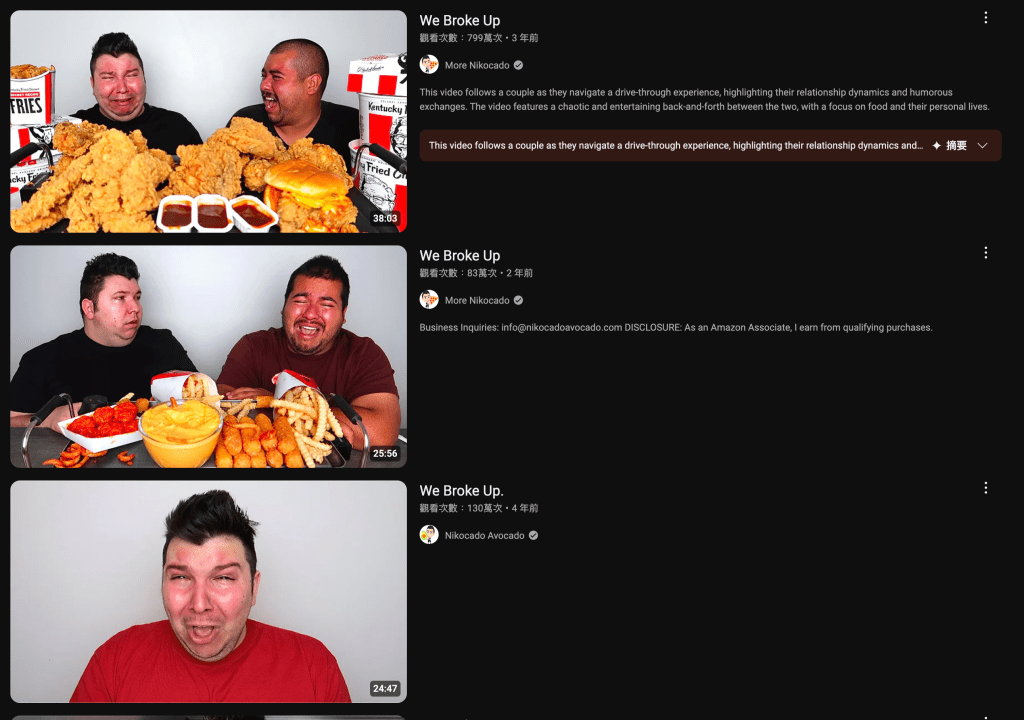
Profitability VS Originality
To preserve creativity on YouTube, both creators and the platform must rethink their approach. Supporting innovation, rewarding diverse content, and reducing algorithmic dependence could help restore the balance between profitability and originality. We as audiences must also realise that every time we pick a video to watch, it does make a difference; worsens or improves the imbalanced environment. Without such changes, YouTube risks becoming a landscape of sameness, where true creativity struggles to survive.
by Hermione Au 33725262
Reference
Cunningham, S. and Craig, D. (2019). Creator Labor. In: Social media entertainment: the new intersection of Hollywood and Silicon Valley. New York: NYU Press, pp.65–114.
 Digital Audiovisual Media Class Blog
Leave a comment