The popularity of K-pop culture has made reaction videos a widespread phenomenon, especially on global platforms like YouTube. This trend not only reflects the participatory and interactive nature of fan culture but also highlights the motivations and efforts of creators in emotional and creative labor.
K-pop reaction videos allow viewers to experience the creator’s genuine love for the music by showcasing their immediate emotional responses (e.g., surprise, excitement, or being moved). This emotional sincerity and empathy attract fans with similar interests, fostering discussions and interactions. Creators establish emotional bonds with fans through these videos, enhancing fans’ sense of belonging. Fans typically comment on or like the videos to express their approval, providing creators with positive feedback that motivates them to continue producing content. “In these reaction videos, performers treat their individual sensitivity to music as an asset, giving them unparalleled access to music’s power.”(McDaniel, 2020) However, to meet viewers’ expectations for high empathy and positive energy, creators may occasionally exaggerate their emotional responses. While this can enhance the viewer experience, it may also increase the emotional labor required of creators.

In terms of motivation and incentives, YouTube offers easy-to-use tools and a vast audience, enabling ordinary fans to become creators. This low entry barrier encourages many users to start creating. Many K-pop fans create reaction videos out of passion for the genre, using them as a way to express themselves and engage with the culture. YouTube’s global reach amplifies their work, meeting creators’ social and creative aspirations. Reaction videos also quickly form fan communities, where viewers discuss the content or suggest new videos in the comments section. This interactivity strengthens creators’ sense of community while providing inspiration for future content.
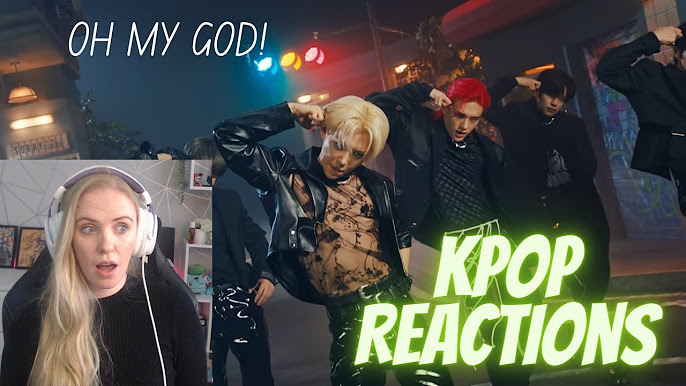
YouTube’s algorithm favors videos with high interaction rates and long watch times, making reaction videos an effective content type for gaining exposure. Increased traffic often motivates creators to produce similar content. Additionally, YouTube offers revenue opportunities through ad sharing, memberships, and more. With a targeted audience and high interactivity, K-pop reaction videos tend to have high traffic conversion rates, further incentivizing creators to invest more time and effort into their work.
Bibliography
McDaniel, B. (2021). Popular music reaction videos: Reactivity, creator labor, and the performance of listening online. New Media & Society, 23(6), 1624-1641. https://doi-org.gold.idm.oclc.org/10.1177/1461444820918549
33774355 HANCHU PAN
 Digital Audiovisual Media Class Blog
Leave a comment