Forever iconic long running television show Supernatural (2005-2020) stands as one of the greatest shows of all time, and viewed through Amanda Lotz’s theories on technological advancements, stands as one of the most well-documented ones too.
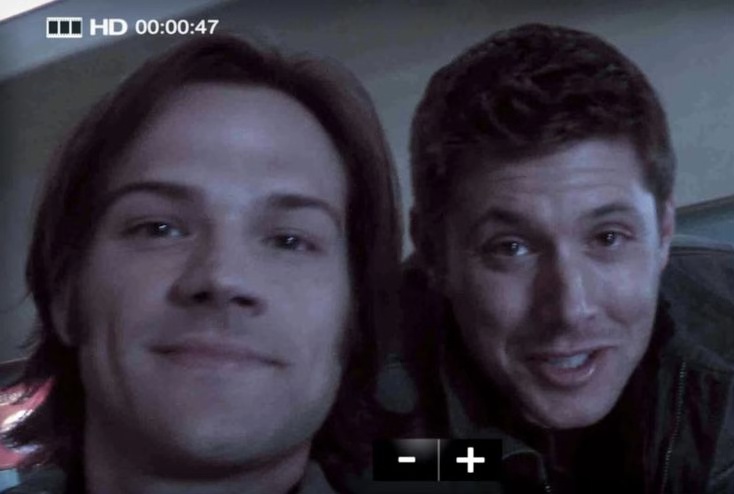
Amanda Lotz’s theories on television, particularly regarding technological advancements and their impact on the medium, offer a robust lens for analyzing Supernatural (2005–2020). The show, which ran for 15 seasons, underwent significant technological developments in terms of production, distribution, and viewer engagement. These developments reflect the broader changes Lotz discusses in her analysis of television’s transition to the post-network era, driven by digital technologies and the rise of streaming platforms. By examining the evolution of technology within Supernatural, we can trace how the show adapted to the changing media landscape over its long run.
One of the show’s earliest roadblocks in terms of popularity was its constraint to the broadcast schedule. As a weekly release show in 2005, the viewers were deprived of the option of viewing on demand. As the technology evolved, Supernatural’s ratings and budget increased in the 2010’s thanks to the post-network era.
As Supernatural entered its second phase, its production values improved significantly. Advances in digital effects allowed the show to create more intricate and realistic supernatural phenomena, such as demons, angels, and large-scale battle sequences. The show also embraced cinematic techniques in
- lighting,
- camera movement
- visual storytelling
The introduction of more sophisticated visual effects and better quality editing contributed to a more polished and cinematic look that was closer to film production. This aligns with Lotz’s framework, where digital advancements allow television to take on aesthetic qualities that once belonged strictly to cinema.
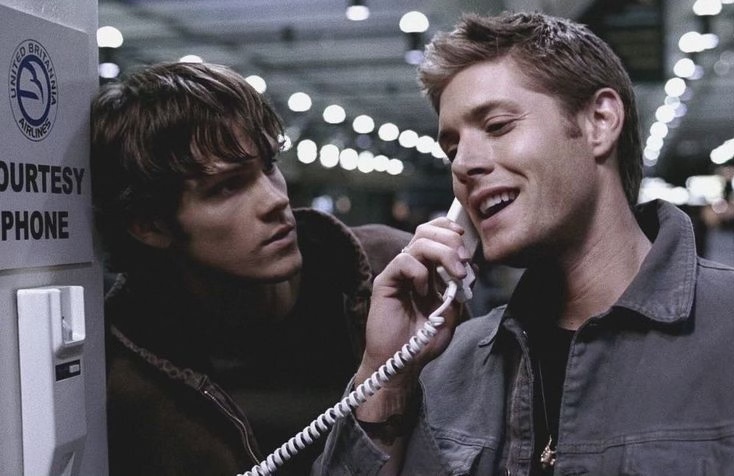
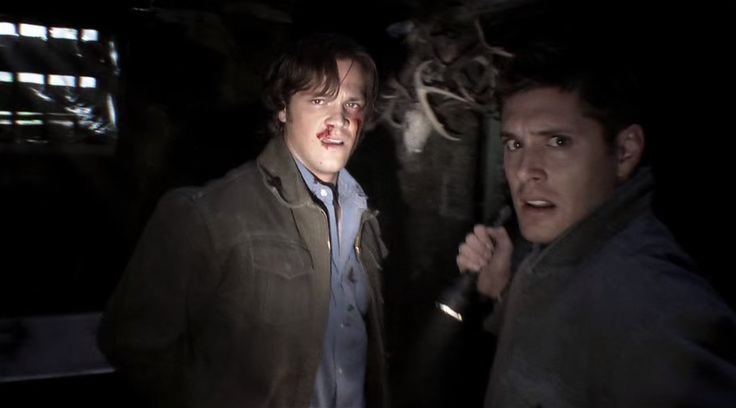
The increased production quality, serialised storytelling, and the show’s ability to reach global audiences via streaming platforms are clear indicators of the technological shifts Lotz identifies. From its early reliance on network broadcasting and standard TV production to its later use of high-end visual effects and streaming distribution, Supernatural is a strong example of how tv has transformed in the digital age.
[Sara Shikooh, 33754059, 27/oct/24] edited to add student number
References
Kirpke, E. 2005, Supernatural
Lotz, A. 2007, The Television Will Be Revolutionised
 Digital Audiovisual Media Class Blog
Leave a comment