“Trans TV” as a concept was difficult for me to understand, but when explained through the analysis of one of my favourite TV shows, Ms. Marvel, I adjusted:
Trans TV (Goddard, 2018) highlights the importance of intersectional and inclusive representation in the contemporary television landscape. Ms. Marvel is groundbreaking in its portrayal of a Pakistani-American Muslim teenager, Kamala Khan, as a superhero.
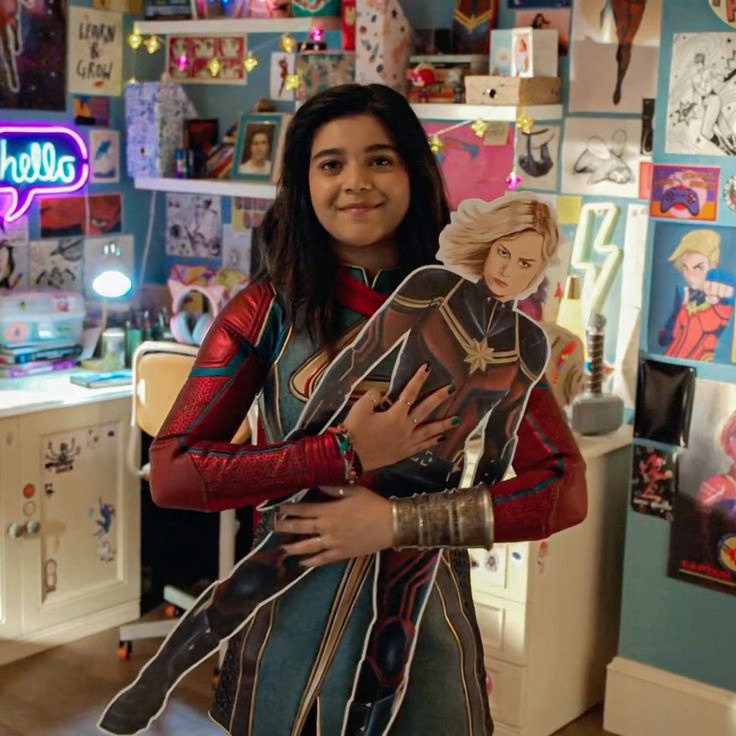
By centering a South Asian, Muslim protagonist, Ms. Marvel stands out in a white-dominated superhero genre. The show highlights Kamala’s cultural identity through elements such as her family dynamics, religious practices, and her experience navigating the dual pressures of being a Muslim-American teenager and a superhero.
Trans TV, from my understanding, emphasizes television’s potential for cultural and ethical interventions. Ms. Marvel challenges stereotypes and engages with pressing cultural conversations, making it a meaningful addition to the television landscape.
The show challenges islamophobia and cultural stereotypes. By portraying Kamala and her family as multifaceted, relatable characters, the series counters stereotypical portrayals of Muslims in Western media. The everyday life of Kamala’s family – including their humor, love, and struggles – is depicted with warmth and nuance, fostering empathy and understanding. Their culture is their strength, and the representation is near political.
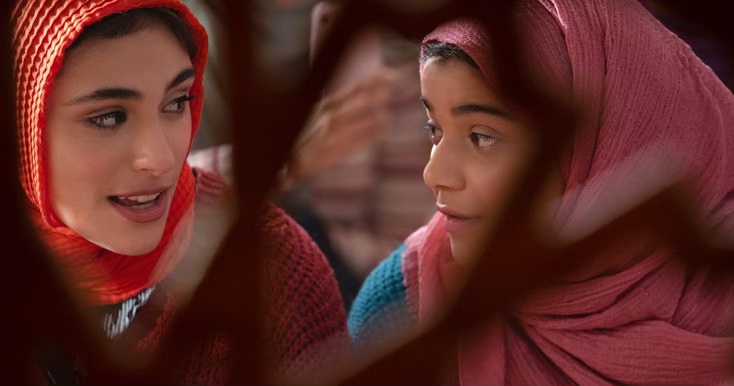
The show’s existence serves as a form of activism, offering a screen for marginalized groups while encouraging broader audiences to engage with unfamiliar cultures and histories. Kamala’s identity as a young Muslim woman is not tokenistic; rather, it’s central to the story. Her cultural heritage shapes her understanding of heroism, making her a distinctly “transgressive” superhero who defies genre conventions.
- Community /Identity: Kamala’s journey as a superhero is intrinsically tied to her sense of community and family, offering an alternative to the lone-hero archetype often seen in Western media.
- Intersectionality in Storytelling: The series incorporates themes of immigration, colonial history (e.g. partition), and intergenerational conflict, emphasising the complexity of identity. These elements resonate with Trans TV’s call for narratives that reflect the diversity and interconnectedness of contemporary audiences.
[Sara Shikooh, 33754059, 4/nov/24]
References
Goddard M., Hogg C. 2020, ‘Introduction: Trans TV Re-evaluated part II’, Trans TV Dossier 3, Critical Studies In Television
Ali, Bisha K. 2022 Ms. Marvel
 Digital Audiovisual Media Class Blog
Leave a comment