The music video has changed profoundly, with the advancements in technology, narratives and resources. The pre-MTV music video was considered to be very minimalistic, for example in ‘Splitting the Atom’ we see the lack of lip-syncing or any narrative, instead it is all digitally edited where the sound and the image have an ‘audiovisual contract’(shaviro,2016,p364), where they work together to create an effect. This is a big change from post-MTV music videos, which looked to be edgy and avant-garde. This change was down to bigger budgets provided by producers, which allowed bands to be more expressive with genres and editing. Although MTV was not experimental as they did not create new technologies they did create new aesthetics using these technologies.

(Splitting the Atom, 2010)
MTV was the turning point for music videos, where they created a new standard for video. ‘Video Killed the Radio Star’ was the first music video to be aired on MTV in 1981, which showcased a real band singing and also experimented with colour and shots. This ‘mixing or broad aesthetics’ created endless possibilities for music video, creating a new standard for video giving MTV a reputation for being hip and cool leading other bands to meet the standard to appear on MTV. (Vernallis, 2013, p5-6)
However, people did get tired of the MTV aesthetic around the 21st century (Vernallis) and music videos did decline, but then YouTube offered new fresher aesthetics. YouTube killed MTV, and as it evolved more and more music videos began to migrate to YouTube. The evolving platform of YouTube allowed new aesthetics to be formed. For example, Katty Perry’s Dark Horse had a new Egyptian aesthetic, costume design, CGI and general production value. This was a prime example of how music video has evolved. Modern music videos have a narrative story, blasts of colour and a much higher budget than MTV music videos.
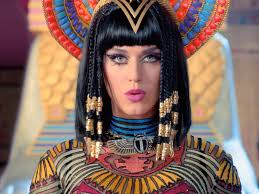
(dark horse, 2013)
Therefore shows how MTV did not create a new standard for music videos, until the 21st century when YouTube became the leading music platform.
By 33749110 – Bally
Bibliography
Carole Vernallis, ‘Music Video’s Second Aesthetic’, Unruly Media: YouTube, Music Video, and the New Digital Cinema, 207-233
Steven Shaviro, (2017), ‘Glitch Aesthetics’, Digital Music Video.
 Digital Audiovisual Media Class Blog
Leave a comment