The shift from analogue to digital technology has brought changes to TV and cinema. Some people tend to idealise traditional methods and reject modernity, when in fact art is not something that should have restrictions.
We call this transformation ‘new media’, referring to the digitalisation of how we produce, store and distribute content. Concerning this transformation, Steven Shaviro calls 21st century film ‘post-cinematic’. He says about these changes; “we scarcely have the vocabulary to describe them, and yet that have become so common, and so ubiquitous, that we tend not even to notice them any longer” (Shaviro (2010)).
As Shaviro observes, focusing on cinema, we can see these developments, and we can take up Rodowick’s question: does the leap from analogue to digital change cinema’s nature? (Rodowick (2007)). Some believe analogue could never be replaced, or that digital cannot be considered art as well as analogue. Sometimes, indexicality is the argument, worshipping the fact that analogue leaves a physical imprint as a mark, arguing that digital formats lose its ‘magic’.
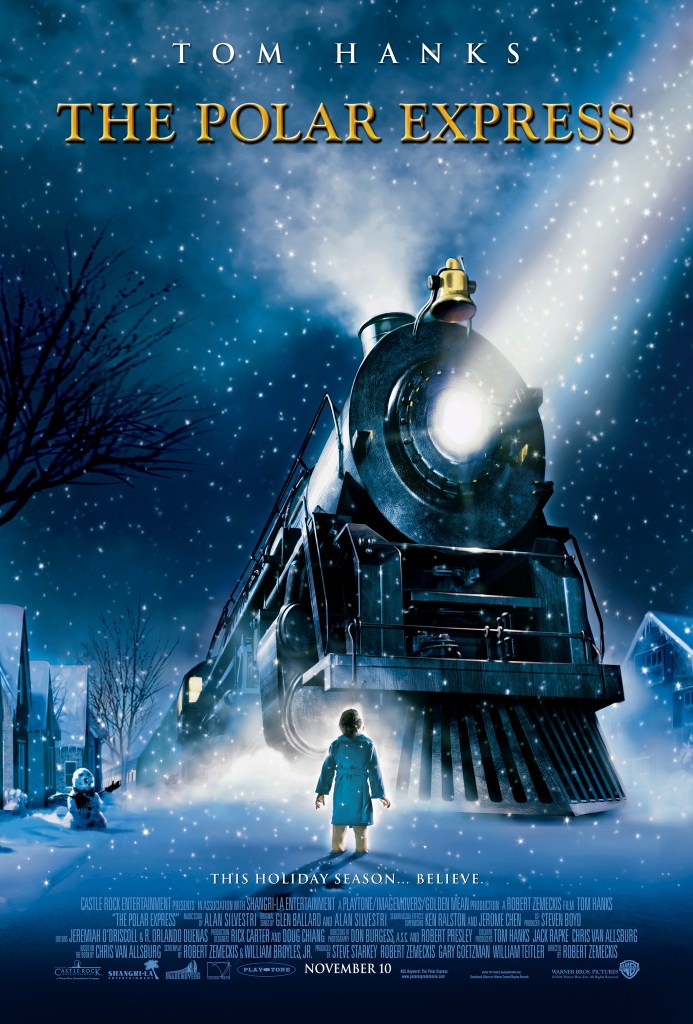
For instance, the film Polar Express, produced with motion-capture technology was criticized claiming to have neither authenticity nor artistic merit, since it lacked real human actors or traditional animation.
This discussion could unleash a wider debate on whether art consists of the process or the outcome. The nostalgic ideas about cinema don’t accept the changing reality of technology and how it affects art. These developments broaden the possibilities of art, that is why they should not be underestimated or rejected. However, analogue should not be forgotten either.
Technology will continue to evolve, and this cultural fear of change is understandable, especially when it challenges traditional concepts of art. However, rejecting digital media as unworthy of being considered “art” only limits possible development. Personal preferences are allowed, but we should embrace both digital and analogue medias as different and valid art forms.
By Elisabeth Zubiaguirre 33871955
Bibliography:
Farinholt, L. (2019) The Polar Express and the era of Motion Capture – Byrd Theatre. https://byrdtheatre.org/news/2019/12/the-polar-express-and-the-era-of-motion-capture/.
Harrison, M. (2024) Revisiting the performance-capture animated films of Robert Zemeckis. https://filmstories.co.uk/features/revisiting-the-performance-capture-animated-films-of-robert-zemeckis/.
Manovich, L. (2001) The language of new media. http://dss-edit.com/plu/Manovich-Lev_The_Language_of_the_New_Media.pdf.
Rodowick, D.N. (2007) The virtual life of film. https://doi.org/10.4159/9780674042834.
Shaviro, S. (2010) ‘Post-Cinematic Affect: On Grace Jones,Boarding GateandSouthland Tales,’ Film-Philosophy, 14(1), pp. 1–102. https://doi.org/10.3366/film.2010.0001.
The Polar expres (2004).
 Digital Audiovisual Media Class Blog
Leave a comment