This music video won awards when it was released in 1985, and I believe it would have won awards if it was released today: Take on Me by A-ha (TOM).
Take on Me is a music video that transcends its promotional intent, embodying what Carol Vernallis would describe as a harmonious balance of artistic and commercial elements in post-cinematic media. In this week’s discussion, we explored the intersection of promotional, artistic, and political dimensions in music videos, and TOM serves as a prime example of how a video can challenge the notion that all music videos are merely promotional tools.
Directed by Steve Barron, Take on Me is celebrated not just for its commercial appeal but for its groundbreaking artistic achievements. Vernallis emphasizes the importance of
- narrative
- editing
- mise en scène
in music videos, and TOM excels in these areas. The video follows a surreal story where a girl is drawn into a comic book world by the lead singer, blending live-action footage with hand-drawn rotoscope animation. This technique, which disrupts traditional cinematic logic, creates a dreamlike aesthetic that enhances the emotional depth of the video.
This unique blend of storytelling, visual artistry, and music encapsulates the potential of music videos as an art form. The rotoscope technique was not merely a gimmick; it was integral to the video’s narrative, symbolizing the blending of reality and fantasy—a metaphor for the transformative power of music and imagination.
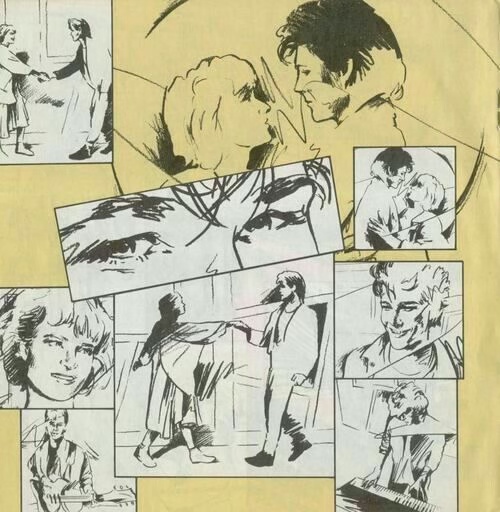
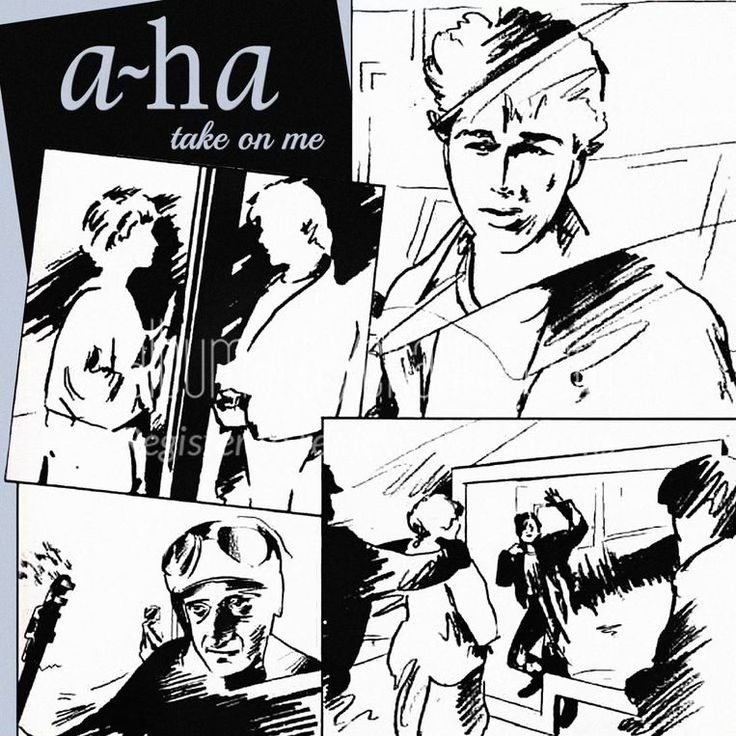
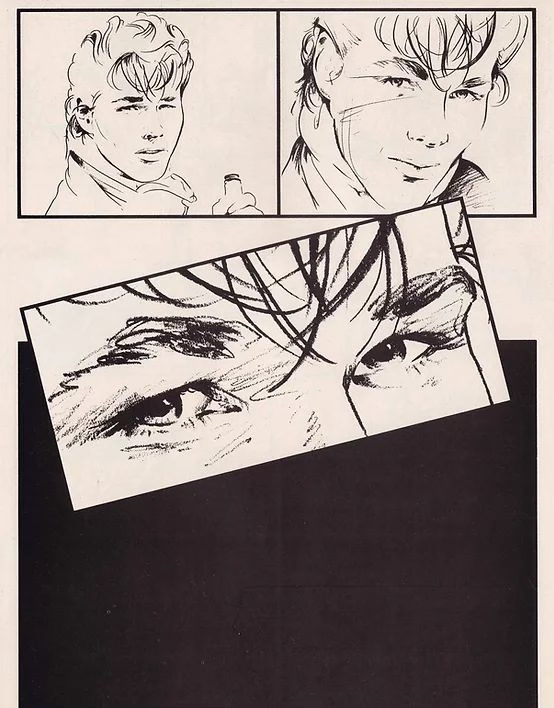
It could be said that what sets it apart is the desire to continue to watch it while on mute, separating it from being ‘just’ a by-product of an original product (the song). While yes, the song was catapulted to the first and second spot on charts, the artistic benchmark had been set and inspired artists to step forward.
[Sara Shikooh, 33754059 , 18/nov/24]
References
A-ha. (1985). Take on Me. Warner Bros. Records. Directed by Steve Barron.
Vernallis, C. (2004). Experiencing music video: Aesthetics and cultural context.
 Digital Audiovisual Media Class Blog
Leave a comment