Internet distributed television is causing a decline in what used to be to waiting for your favourite programme to come on. Netflix is one of the biggest streaming television services which has had great impact in such thing occurring. The company has taken over and given rise to a new form of consumption, defining what the post network era consists of.
Amanda Lotz defines this post network era as “a television environment in which broadcast networks no longer dictate the terms of television use and where control shifts toward viewers who can access content on a variety of devices, platforms, and schedules” (Lotz, 2014). Instead, upcoming digital technologies, like Netflix, have taken that dominance, altering the way television content is now perceived.

Content used to be largely dictated by broadcast networks, however, we have now reached a point of us as the audience almost taking back that power; controlling when, what and how we consume content. When Netflix rose to popularity, people were introduced to indulging in endless amount of content for a lower cost at any time they wanted, this refers to what Lotz also calls “non-linear viewing”.
Not being tied to a schedule allows for mass amounts of flexibility and could initially be seen as a positive thing, but if not careful can turn sour quite quickly. This gives the viewer the impression that they have a freedom that in reality they do not have, thinking they can watch all different types of content at their own pace, in any order and whenever they like.
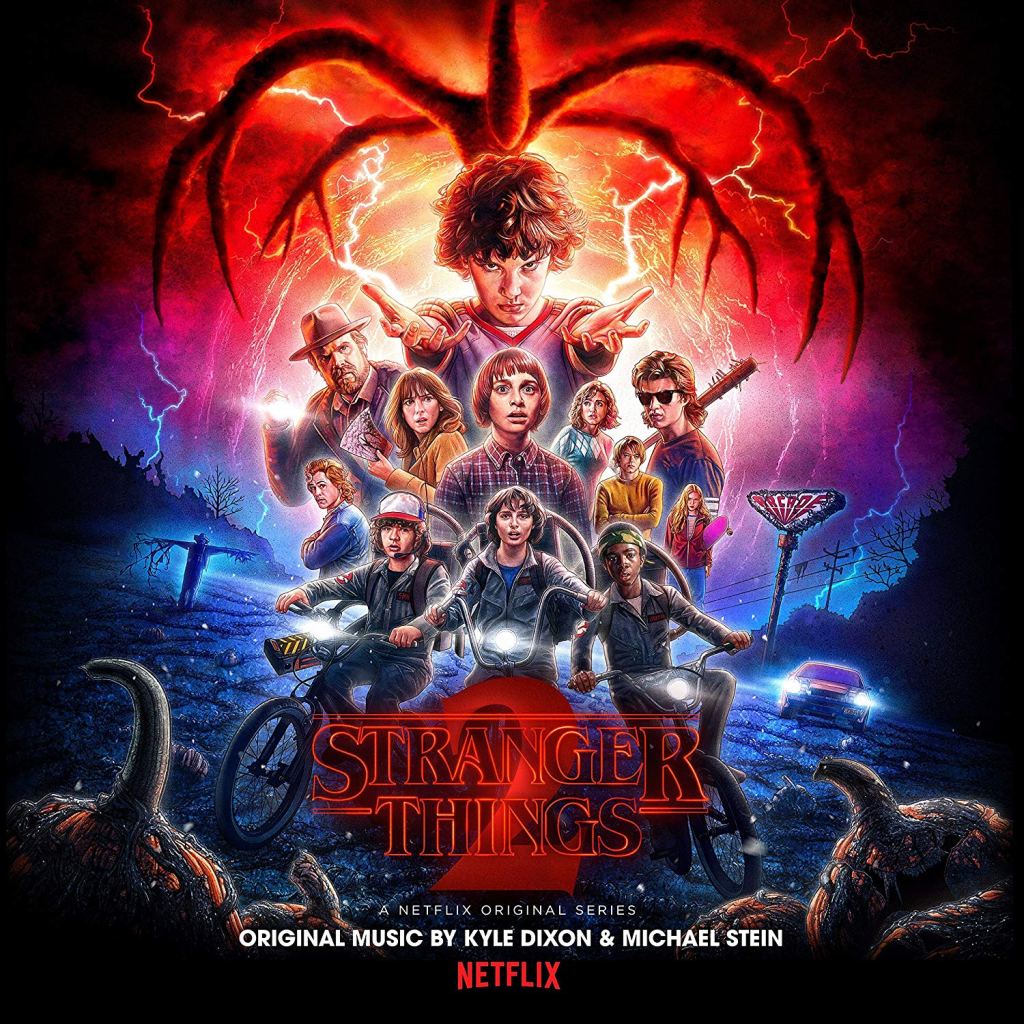
A classic example is Netflix’s original “Stranger Things”. As Abrams (2017) explains, when the second season of the show dropped, 361,000 people sat and binge watched it in one day. The sensational show contributed to this binge-watching culture, as Netflix, by releasing all the episodes of the season in one go, encouraged this. Its auto-play feature that causes the next episode to play immediately after you finish the one you’re watching, on top of many other aspects, influences how viewers engage with television nowadays.
As much as you believe to have the power as a viewer, the strategies Netflix has imposed, causes you to not. This has downside affects, which can cause health risks in extreme situations. Gerber (2023) shows that binge watching can be “associated with loss of control” which if taken to the next extreme can end in “sedentary behaviour, sleep problems, and an unbalanced diet” (Gerber, 2023).
Are we too far into the post network era to redeem a sense of power as viewers? Or is it this addiction Netflix has induced that causes us not to want to?
Bibliography:
Abrams, A. (2017) Hundreds of thousands of people watched all of Stranger things in a day, Time. Available at: https://time.com/5008471/stranger-things-2-neilsen-ratings-binge/
Gerber, H.A. (2023) Just one more episode…The dangers of binge-watching, The Science Survey. Available at: https://thesciencesurvey.com/editorial/2023/07/19/just-one-more-episodethe-dangers-of-binge-watching/
Lotz, A.D. (2014) The Television Will Be Revolutionized. NY, New York: New York University Press.
Ella Cabanillas
33751389
 Digital Audiovisual Media Class Blog
Leave a comment