Netflix, the streaming platform that rules today’s day and age, is said to release shows with accurate representation of certain groups and communities. However, to what extent can this be said?
“Difficult Men: Behind the Scenes of a Creative Revolution” by Brett Martin explores this question with a focus on male characters in television. Martin (2013), critiques the lack of diversity in shows like “Breaking Bad”, where the center focus of it is surrounding its white male characters and their narratives.
In addition, superhero movies have been proven to do this as well, disregarding any ideas of heroism that aren’t western. “Avengers”, the 2012 sensation, as much as massively awaited, introduced ideas that have room for improvement. According to Martinez (2021), Natasha Romanoff, known as Black Widow, despite her prominent appearance throughout, has a lack of development in comparison to the rest of the male heroes.
This idea can be understood through Laura Mulvey’s theory of the Male Gaze. Mulvey (1975) explains that women have both in the past and present, been depicted through the lens of a heterosexual man – “woman as image, man as bearer of the look” (Mulvey, 1975).
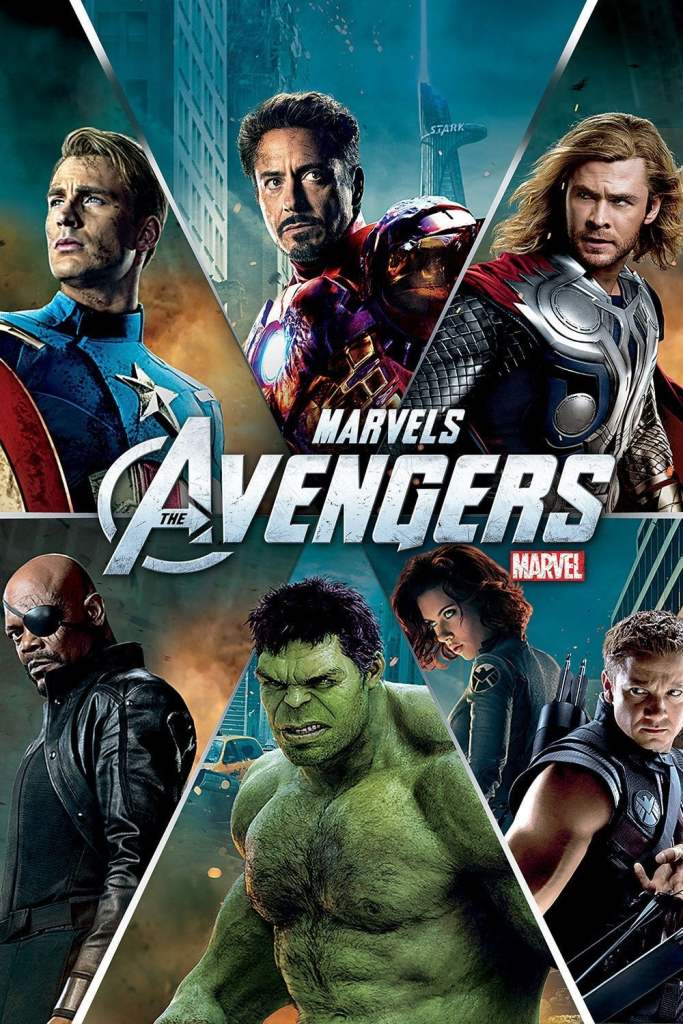
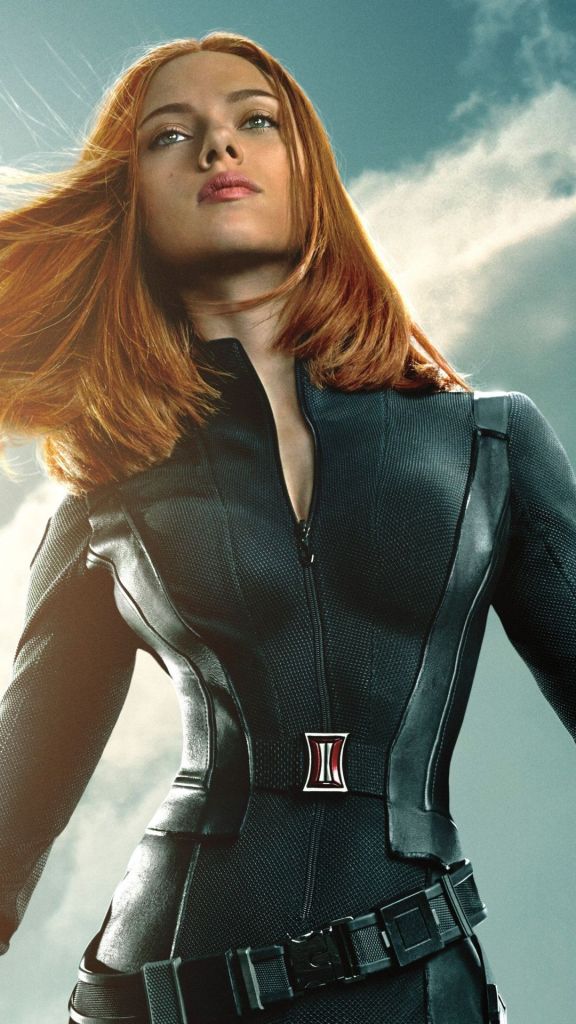
The very first scene Black Widow is introduced in, immediately proves the nature of portraying a woman as mysterious. ““Who is she?” Tony asks his newly appointed CEO, Pepper Potts” (Chin, 2021). The action the character Tony does, known as Iron Man, in the scene is more than enough proof of this male gaze that Mulvey alludes to. It is a scene tailored to it, which can be seen at first hand in his character. The way they chose to introduce her character, followed by both men looking, objectifies her, as she is seen as a “pretty face” (Martinez, 2021) and an interest for the men in the scene.
One could say with the release of certain Netflix shows, like “Orange is the New Black” that this has improved. Women are becoming main characters who have a story to tell, and time has been taken to develop them.
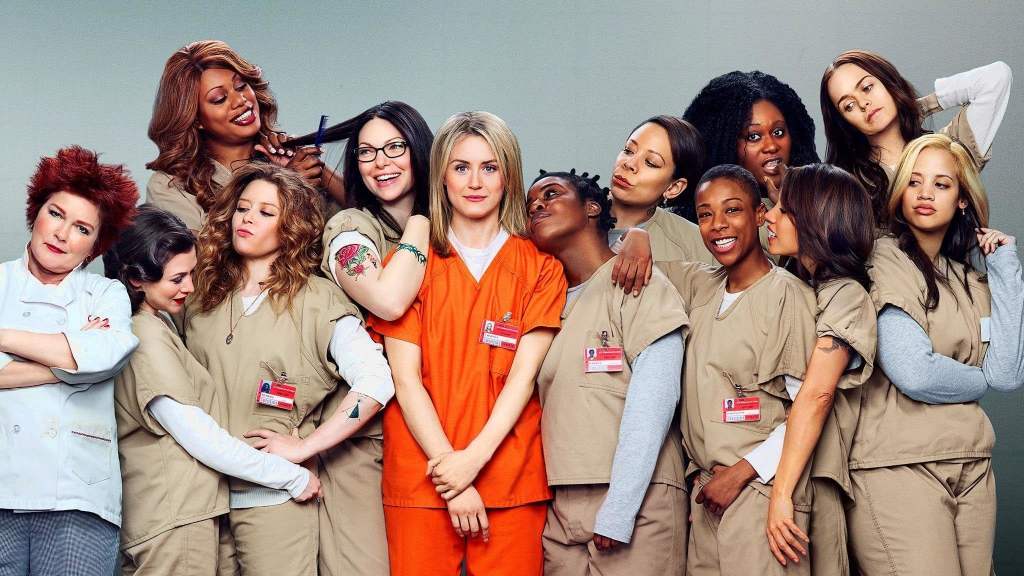
This is true, however, not entirely. Because with shows like this one, in the process of making women the leads, there has been an incorrect representation for other groups, such as the women who are part of the LGBTQIA+ community, with story lines not being represented in a fully authentic manner.
With the portrayal of some characters being seen as stereotypical, there is still a lack of development and area for improvement.
Bibliography:
Chin, D. (2021) The history (and beyond) of the Black Widow, The Ringer. Available at: https://www.theringer.com/marvel-cinematic-universe/2021/7/6/22564989/black-widow-mcu-history-scarlett-johansson-natasha-romanoff-avengers
Martinez, B. (2021) ‘Did I Step On Your Moment?’: The objectification of the marvel cinematic universe’s Black Widow, ePublications at Regis University. Available at: https://epublications.regis.edu/theses/1060/
Martin, B. (2013) Difficult men: Behind the scenes of a creative revolution. S.l.: Penguin Publishing Group.
Mulvey, L. (1975) ‘Visual pleasure and narrative cinema’, Feminisms. doi:10.1007/978-1-349-14428-0_27.
Ella Cabanillas
33751389
 Digital Audiovisual Media Class Blog
Leave a comment