Such phenomenon that is combining moving images and music into one, has existed in many shapes and forms, and in each of its phases, “the music video has been a problematic and controversial media entity” (Arnold et al., 2020). Madonna’s music video for her hit “Like a Prayer”, can be used as an example. Being nominated for multiple awards at the 1989 MTV Video Music Awards, not only did it pave the way for future experimentation but was also a prime example of art that speaks its mind because the artist behind it is unafraid.
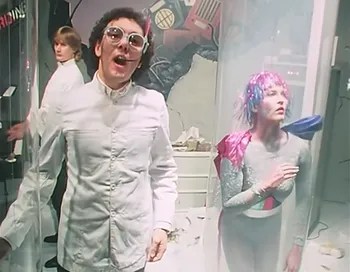
MTV was launched in the 1980s, and did so with the revolutionising music video of “Video Killed the Radio Star” by The Buggles. As Liebig (2023) explains, the band wrote the song to demonstrate the changes being experienced due to the rise of technology. Through irony, it challenges the shape these videos were taking at the time, with the chaotic energy reflecting how they intentionally played around and saw what interesting visuals they could come up with.
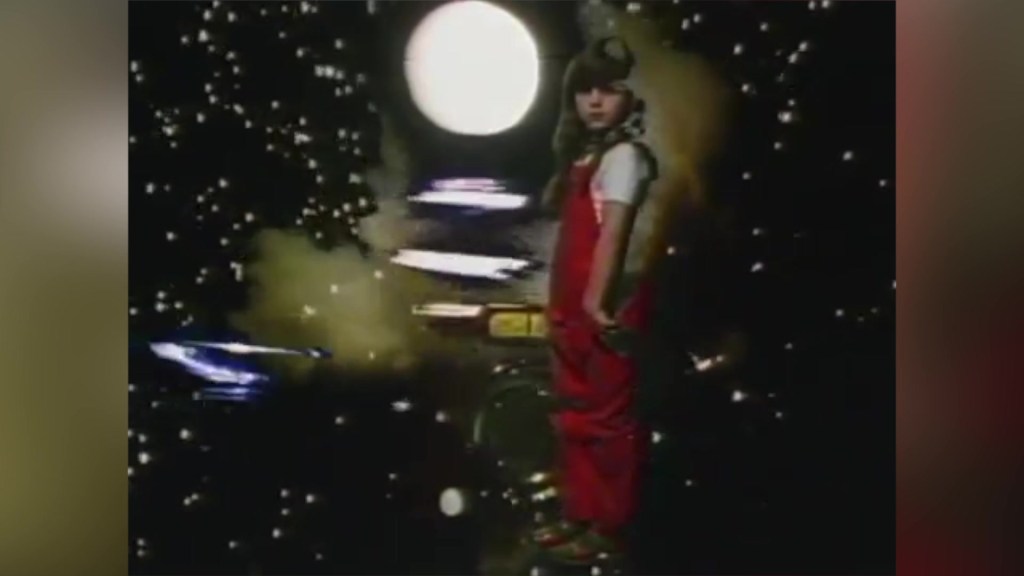
This transition from radio to visual entertainment also introduced “increasingly large budgets” (Arnold et al., 2020). This caused the standard for them to rise, with music videos like Michael Jackson’s “Thriller”, in which, according to Griffin, (2010) was considered a short film, being created. As MTV progressed, these types of videos became normalised, both changing how artists interacted with music videos and rewiring the way people consumed music.
There came a space for a deeper, more personal connection and dynamic between the artist and their audience. Celebrities were being seen in different settings; Madonna, for example, harnessed this power of storytelling to get a message across. Using music video, for her hit, “Like a Prayer”, the singer further enhances her lyrics and music with visuals that explore her thoughts.
According to Welsh, D. (2019), the song fuses the themes of her personal life, sex and religion. Despite these already being recurring themes in her music, the content of the song accompanied by the music video was what people considered her most controversial movement yet.
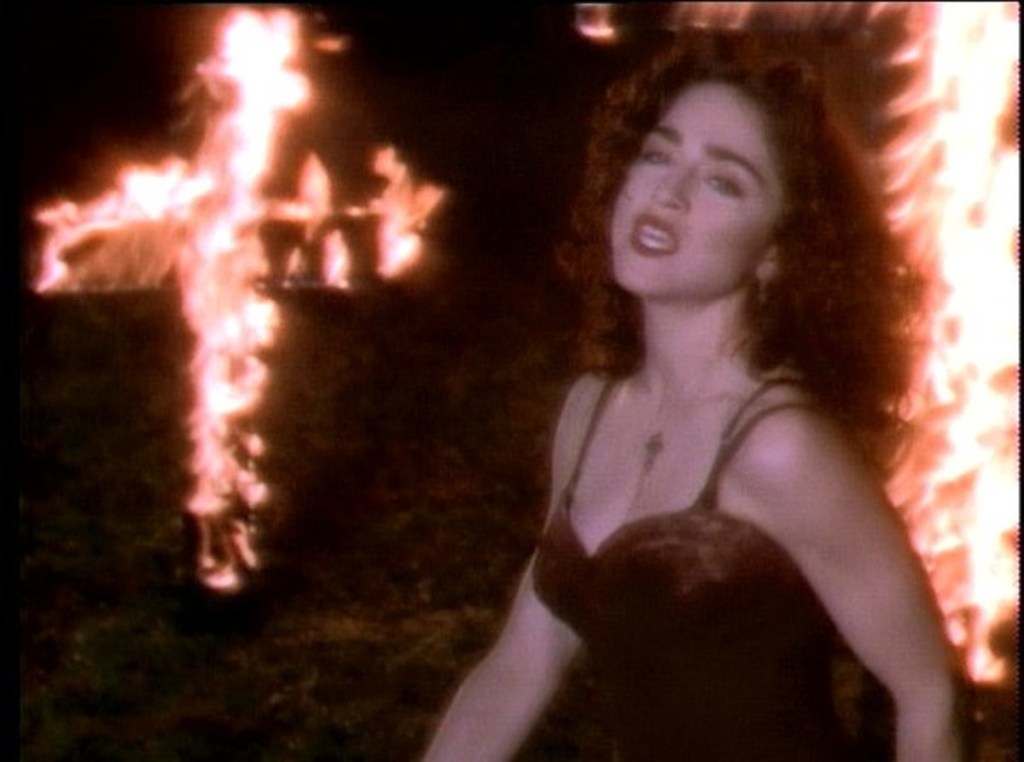
Paired along with the “religious imagery” and “sexual innuendos” (Welsh, 2019) in her lyrics, Madonna is found dancing as crucifixes burn behind her. In addition, the video explores racism and challenges the hostility towards interracial relationships. We see a black man being falsely accused of harming a white woman, in which throughout there is a strong allusion that implies that same man is the crying saint Madonna looks up to, sings to and then kisses.
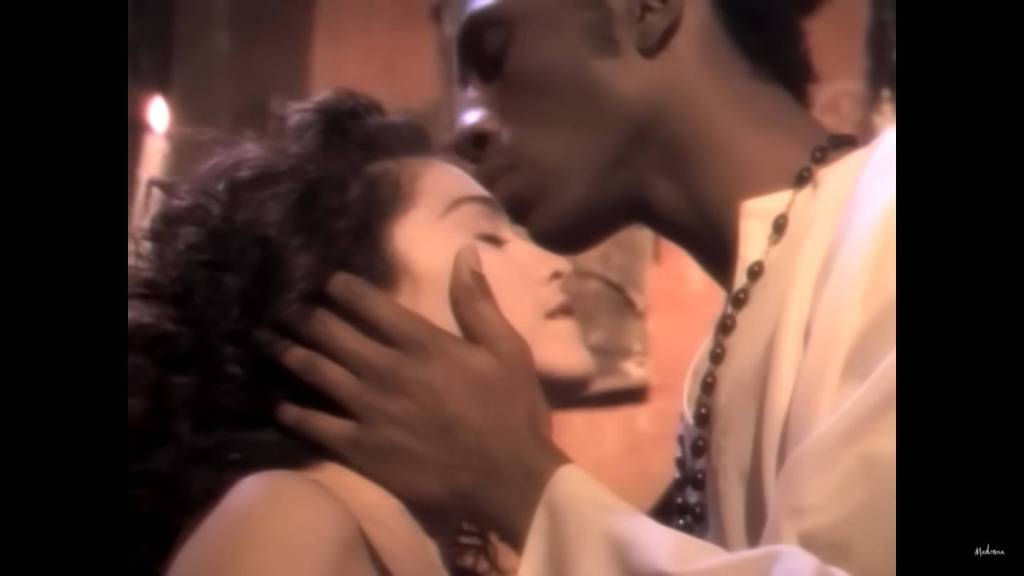
One can understand that Madonna aimed to draw attention to societies’ prejudice’s ways of thinking and challenge them. Through the visuals, in which racism is explored along with the religious scenes paired with the sexual innuendos, the intention of her wanting people to push the buttons is palpable.
Bibliography:
Arnold, G. et al. (2020) Music/video: histories, aesthetics, media . London, England: Bloomsbury Academic.
Griffin, N. (2010) Michael Jackson’s ‘Thriller’: How an iconic music video was made, Vanity Fair. Available at: https://www.vanityfair.com/culture/2010/07/michael-jackson-thriller-201007
Liebig, L. (2023) Remember When: MTV Debuts with “Video Killed the Radio Star”, American Songwriter. Available at: https://americansongwriter.com/video-killed-the-radio-star-mtv-the-buggles/
Welsh, D. (2019) Madonna’s Like A Prayer is Still A Masterclass in Pushing Pop’s Boundaries, 30 Years Since Its Release, HuffPost UK. Available at: https://www.huffingtonpost.co.uk/entry/madonna-like-a-prayer-1989-30-years-anniversary_uk_5c7e7f69e4b07fa0e2355d77
Ella Cabanillas
33751389
 Digital Audiovisual Media Class Blog
Leave a comment