Today’s Internet distributed TV platform provides greater creative space for the performance of minority groups, especially cross gender groups and homosexual groups, thus promoting the public to have a deeper understanding of these groups, which may also be the only way for some people to know these groups.
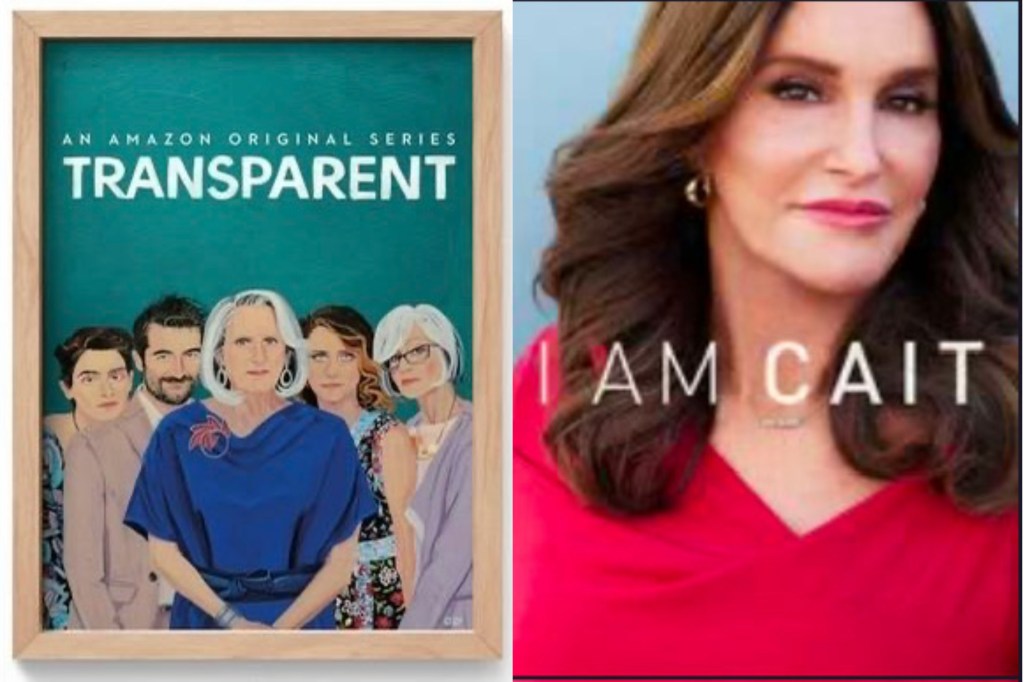
Through television works, viewers can gain a deeper understanding of the plight of minority groups, the challenges of identity recognition, and the social exclusion they face. The multidimensional presentation helps the audience see the emotions and humanity of these groups, thereby enhancing empathy and understanding towards them. The audience will gradually break away from the simplified and labeled understanding of them in the past, making the image of minority groups more three-dimensional and authentic. As more and more works about minority themes appear on mainstream platforms, these groups gradually become a part of mainstream culture, reducing the public’s sense of unfamiliarity with them. This has also prompted some viewers to become aware of the diversity of gender identity and sexual orientation, and to show more tolerance towards these differences.
It must be mentioned that as niche groups gradually become popular, this will inevitably lead to extreme disgust towards this group. Some audiences may come from a more conservative cultural background. A large number of works showing transgender and homosexual characters on the Internet platform may conflict with their world outlook and values. Others may feel “overexposed” because of the surge in the number of minority theme works on the Internet platform. When a large number of works on these themes emerge, some viewers may consider it a manifestation of “forced acceptance” or “political correctness”. This feeling may trigger their aversion, believing that these themes are excessively praised, and even feeling forced to accept certain viewpoints.
In general, the content liberalization of Internet distributed TV platforms has really played a positive role in promoting the acceptance and understanding of cross gender and gay groups. However, just like any social and cultural change, it can also trigger reverse resentment and exclusion, especially among groups with strong cultural identity, values, and traditional beliefs. As these issues become increasingly prominent in mainstream media, balancing the acceptance and respect of different groups is a topic worthy of continued attention.
By Xin Lin 33740092
References:
Nash, J. C. (2014). Queer women in television and film: Lesbian representation on screen. Palgrave Macmillan.
Gross, L. (2001). Up from invisibility: Lesbians, gays, and the media in America. Columbia University Press
Boellstorff, T. (2008). Coming of age in second life: An anthropologist explores the virtually human. Princeton University Press.
 Digital Audiovisual Media Class Blog
Leave a comment