33753198 Zilin Wei
The spread of digital technology has changed the way television content is produced and broadcast. In the past, television programs were often produced by large broadcasters and broadcast at fixed time periods. Now, the advancement of digital technology allows anyone to create and distribute their own content, and thousands of content producers have emerged, breaking the monopoly of traditional media.
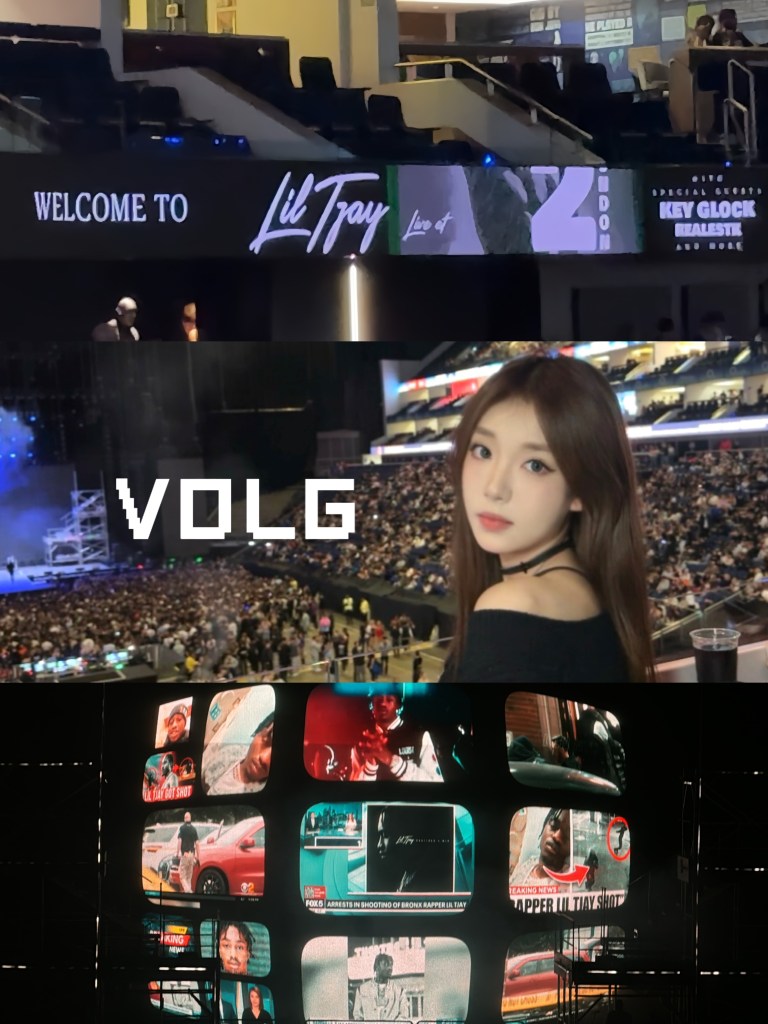
This change has given rise to the phenomenon of “homemade content”, where small creators and independent media publish videos through platforms such as YouTube, Twitch and TikTok, and have gained views comparable to traditional television programs. This means that viewers’ choices are no longer limited to old TV programs, but can choose from a variety of different types, including short videos, Vlogs, web dramas, etc. This diversity of content reflects the trend of the social media era, where audience tastes and expectations are moving towards more personalized and customized directions. For example, I am making vlogs myself.
The Internet has brought not only content diversification to television media, but also a change in aesthetic concepts. Modern audiences prefer interaction and participation, while traditional television often only provides a one-way consumption experience. In this environment, online programs have begun to incorporate real-time interactive elements such as audience voting, comment area discussions and social media interactions, enhancing connections with the audience. This “transformation” is also particularly evident in aesthetics. Compared with the high production costs and sophisticated styles of traditional TV programs, many online programs have adopted a more intimate and authentic style, such as using mobile phone shooting and simple editing to get closer to the audience. This return to the basics has attracted a large number of young audiences who pursue authenticity and resonance, and changed their standards for content quality.
Overall, the transformation of digitalization and Internet technology has profoundly affected the aesthetics and content of television media. As this transformation further develops, we have reason to believe that television media will continue to evolve into a richer and more diverse art form driven by technological and content innovation. In the days to come, how to grasp the interests and needs of the audience will be an important challenge that every content creator must face. With the introduction of more new technologies, the “transformation” of television will continue to evolve in the future vision.
 Digital Audiovisual Media Class Blog
Leave a comment