33753198 Zilin Wei
Music videos did not first appear when MTV launched in 1981. Visual forms of musical performance had been tried before. From short musical films in the early 20th century to television music shows in the 1950s, although these forms were not explicitly called “music videos”, they laid the foundation for later developments. For example, Elvis Presley’s performances on television and The Beatles’ “music movies” both brought new visual possibilities to music.
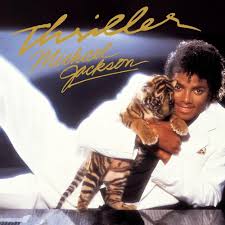
During the golden age of MTV, music videos were no longer just a concrete extension of music, but became a unique form of artistic expression. From Michael Jackson’s “Thriller” to Madonna’s “Like a Prayer”, these videos not only introduced high-level production values, but also made bold experiments in narrative and visual style. MTV provided a platform for creators to showcase their creativity, and they used this platform to break the boundaries of traditional musical expression. Known for their bright colors, creative editing and strong visual impact, music videos in the MTV era became a new consumer culture. At the same time, this period also laid the foundation for the subsequent digital transformation. Music videos have explored the great possibilities of visual art by constantly experimenting with new technologies and narrative forms, and have touched upon the core of audiovisual cultural trends in the social media era in advance.
Entering the 21st century, the development of digital technology has completely changed the way music videos are disseminated. With the rise of streaming platforms such as YouTube and Vimeo, the reach of music videos and the interactivity of their consumers have been greatly enhanced. Digital platforms enable small artists and independent creators to produce and publish their own music videos, breaking the monopoly under traditional business mechanisms. Music videos are no longer exclusive to big productions and big brands. Many emerging creators use the power of social networks to establish more direct and personalized connections with their audiences. Short videos on platforms such as TikTok and Instagram have quickly become the mainstream of a new generation of music promotion and consumption. In the process of adapting to these new changes, traditional music video forms have evolved into a short and sharp performance style.
The evolution of music videos reflects the tension between commerce and experimentation. In the MTV era, music videos, as representatives of commercial culture, promoted innovation in artistic creation and demonstrated the close integration of music and visual art. After entering the digital age, the democratization and fragmentation of music videos have made this media form more adaptable and interactive. As technology continues to advance, music videos will continue to find new identities and expressions in an ever-changing media landscape.
Reference:
- How “Thriller” Became the Most Influential Music Video Ever, https://americansongwriter.com/how-thriller-became-the-most-influential-music-video-ever/, Website title: American Songwriter, February 07, 2024
- What did MTV stand for. https://www.britannica.com/money/MTV, Encyclopædia Britannica
 Digital Audiovisual Media Class Blog
Leave a comment