Chaos cinema is an idea created by Matthias Stork in his video essay which takes David Bordwell’s ‘Intensified continuity’ (2002) to an extreme. In it, Stork says that the ways of editing associated with Bordwell’s concept are a hallmark of a bad movie, but I disagree. What makes a movie bad is if these techniques are used in the wrong genre. To show how linked genre and the choice of editing style are, I have chosen to briefly analyse the films Inception (2010) and Conclave (2024). These films are very different to each other with their genre and because of that, their editing styles with both styles working well in their respective contexts.
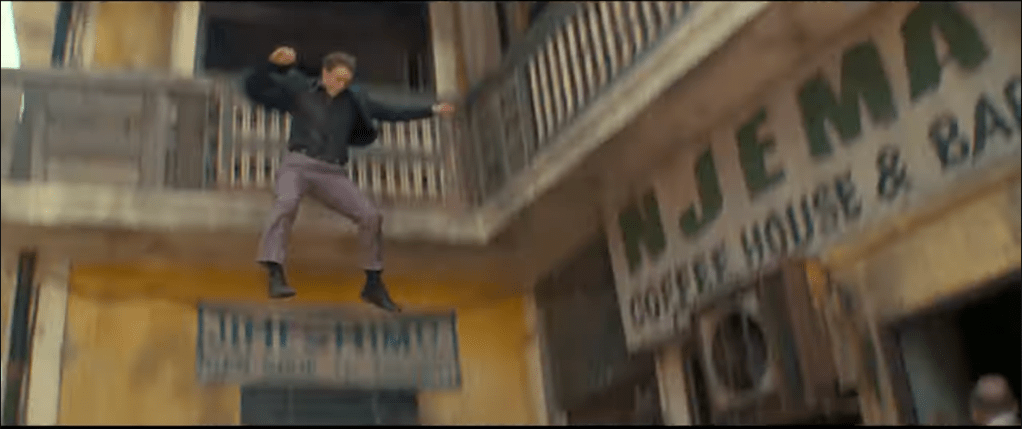
Inception, particularly the Mombasa chase sequence is an example of the chaos cinema talked about by Stork. In the sequence, Cobb (DiCaprio) is running from thugs of the corporation he’s trying to take down. The high stakes of many action films including Inception with this sequence are best represented through the frequent jump cuts associated with the intense sensations attributed to this way of editing. The pacing of these films is also important and is allowed with this kind of editing. Otherwise, the pace would be slower, and the sense of danger and urgency would not be conveyed nearly as effectively.
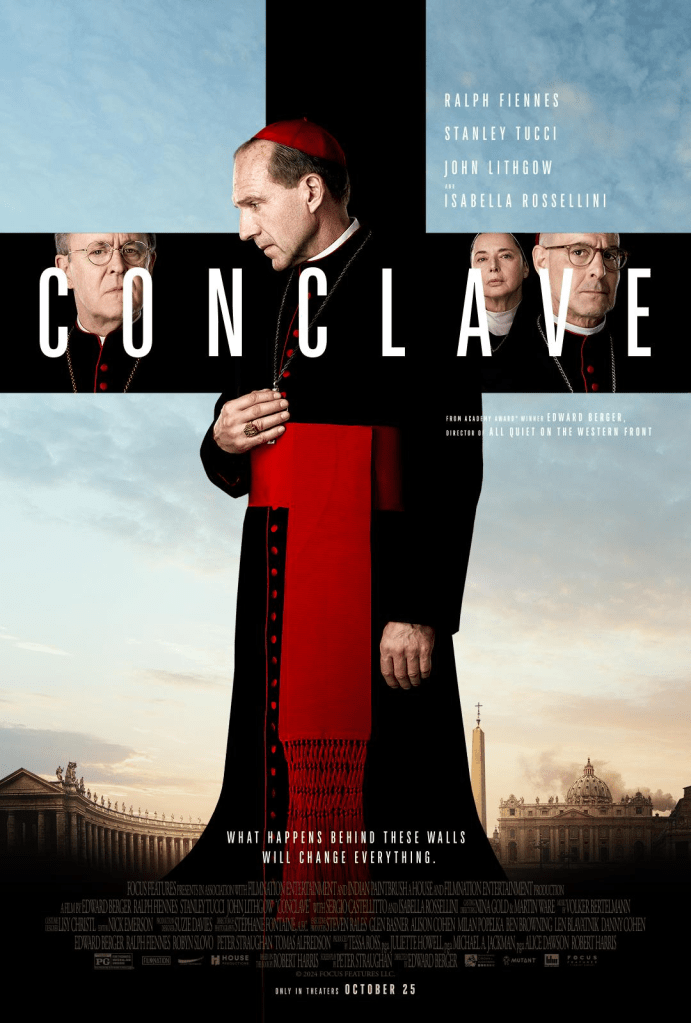
Conclave in its entirety shows how the genre of drama relies on continuity editing techniques. The film centres on a cardinal’s inner struggle with faith and choosing the next pope. The emotional depth needed for this film and the genre overall are enabled with the time taken with continuity editing. If frequent cuts for example were used, emotions would be surface level at best as that is one of the limitations of intensified continuity.
Although it does have its shortcomings, to say ‘intensified continuity’ constitutes bad cinema isn’t fair. It enables various aspects to work well in films of a particular genre whilst not working well for others. Therefore, showing the importance of the genre of film being critiqued.
Minnie Crawford 33791637
Reference:
Bordwell, D. (2002) ‘Intensified Continuity’, Film quarterly, 55(3), p. 16.
 Digital Audiovisual Media Class Blog
Leave a comment