The climactic showdown in “Avengers: Endgame” represents the tenets of post – cinema, causing viewers to experience a deep feeling of mental and emotional overwhelm, and this occurrence was not just evidence of advanced cinematic skills but rather a straight display of post – cinematic aesthetics that questioned the traditional ways of receiving and engaging with films.
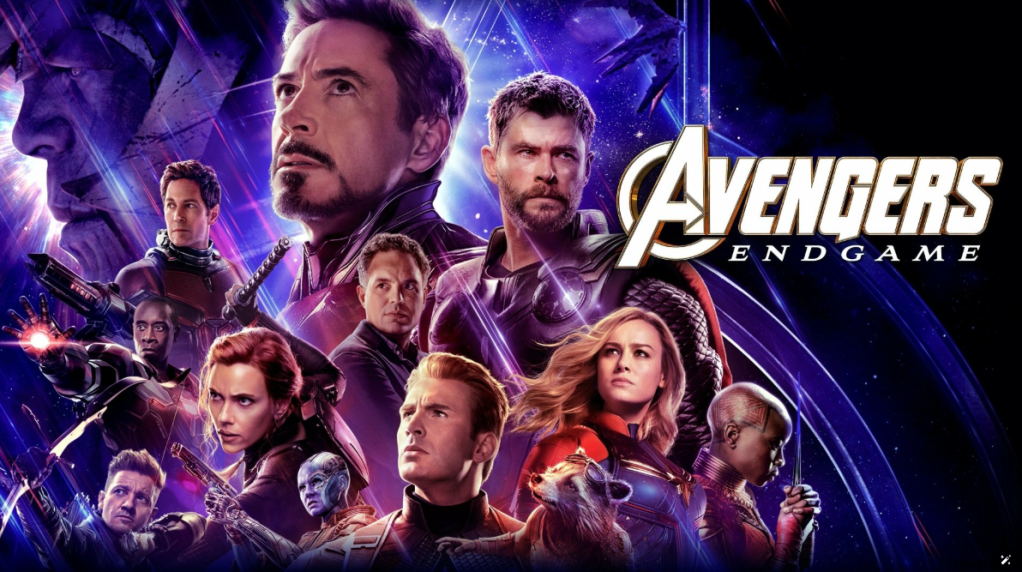
The Marvel Cinematic Universe (MCU) has brought about a revolutionary change in how people watch movies, as can be seen in the climax battle scene of “Avengers: Endgame” which is filled with numerous characters, quick cuts between scenes, and the piling up of explosive and magical effects creating an extremely visually striking look, but traditional movie critics have frequently rejected this style calling it chaotic cinema and describing it as being too wild and making viewers feel disoriented, nevertheless film expert Steven Shaviro presents a different view suggesting that this change in style represents a new visual language for the digital age and he thinks that this type of movie – making creates a unique post – cinematic feeling which is a fresh kind of viewing experience different from the old movie traditions.
The Marvel Cinematic Universe’s Avengers movie series offers a fascinating example of this aesthetic shift, especially in “Avengers: Infinity War” and “Avengers: Endgame”, where the big – scale action scenes often show a purposeful stoppage of spatial continuity, the story is marked by quick, confusing changes in character positions and perspectives and computer – generated imagery (CGI) builds the main environmental background, the spatial positioning of characters comes second to the aim of creating an overpowering sensory encounter so the cinema focuses on kinetic speed, amazing visual presentation, and immersive strength instead of sticking to traditional rules of narrative and spatial clarity.
Contemporary film – making methods create new ways of perceiving things as the use of highly colorful visuals, weightless filming techniques, and multi – dimensional camera movements generates a type of sensory experience that can’t be achieved by traditional film – making, this immersive influence goes beyond just watching and makes the audience take on what Scott Bukatman called a “kaleidoscopic perception”, which is like a hallucinatory state and effectively trains the brain’s structure to handle several visual streams happening at the same time.
The narrative structures of the Marvel Cinematic Universe (MCU), such as its portrayal of fractal-like realities, multiple universes, and time – jumping, might be regarded as a cultural equivalent to the current state of ontological vagueness and in a period marked by the spread of deep – fakes, virtual reality, and AI – created content, these movie storylines could possibly act as an educational tool for fostering perceptual competence so that the digital wonders in the MCU can offer a means of building the crucial thinking abilities required to handle and distinguish ever – more complicated and mediated realties.
The Marvel movie formula goes far beyond its superhero stories, signifying a great advancement in movie making which was marked by a faster pace, unusual story structures, and a basic dependence on digital tools.
Alyssa Li-33886835
 Digital Audiovisual Media Class Blog
Leave a comment