Adam McKay’s The Big Short introduce a new way of storytelling. It is consider beyond just the recreation of the 2008 economic crisis.
Different from traditional linear storytelling, it has a special way of filming to make all the audience can know the film well. The film uses specially designed way to introduce the difficult financial and economical terms. Whenever there is something that is not familiar to the audience, there will be a scene to show the meaning of the noun in a easy way, but it does not pause the film at all, when explaining it, it is still within the frame of the film, but jump out of the main storytelling to make things understandable for the audience. The way how the film make the explanation of the term is both within the film and out of the film and the idea is just wonderful.
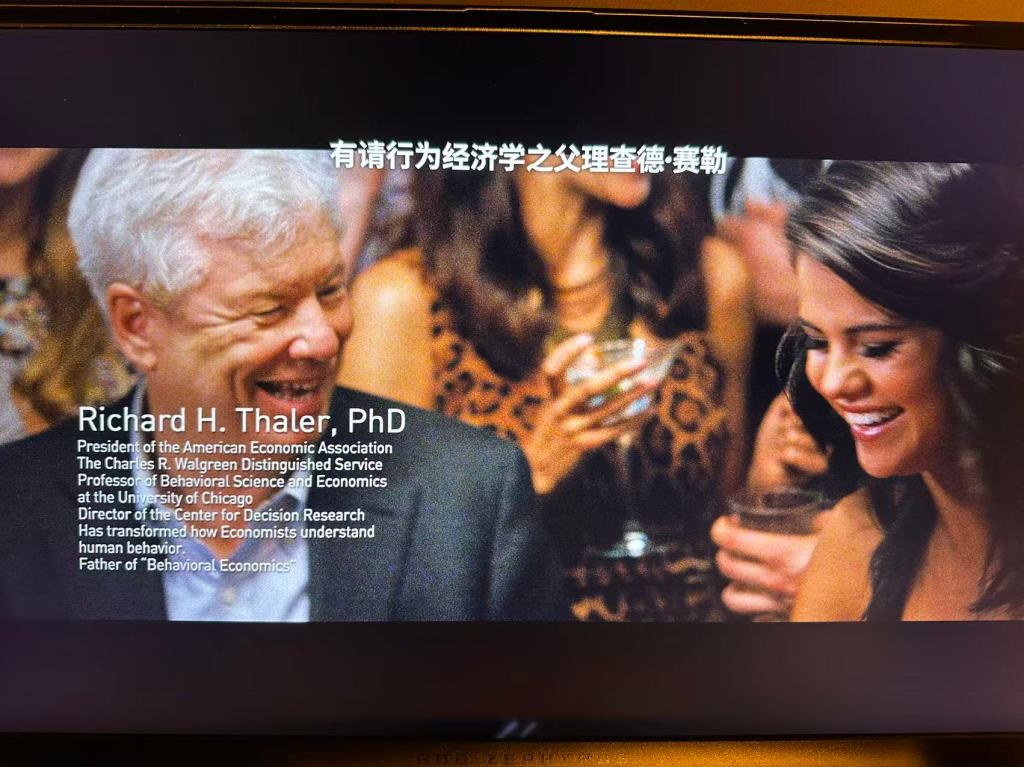
As Steven Shaviro argues in Post-Cinema Affects, contemporary cinema no longer adheres to traditional principles of continuity but instead embodies the intensified, nonlinear experience of modern life. The Big Short employs disorientation as a technique, plunging audiences into chaos to mirror systemic collapse.
Although it brings the new way of post cinema affects thoughts to the industry, but it also lead the new concern of what Matthias Stork’s concept of Chaos Cinema. Which the film no longer follow the ordinary timeline of storytelling. It argue that chaos cinema make the film hard to focus and immersive.
Instead of longer shot to establish a embodied experience and let the audience can truly understand and know about the scenes, films now like to make quick jump cut to establish the environment, it is so quick that audience may not even notice the detail of it, it’s just a flashback of reminding the environment.
Catherine Grant’s idea of the audiovisual essay as performative research also applies. This is a film that doesn’t just tell a story ,it interrogates reality. Based on true story and make it easy to understand to a wider audience context.
By blending documentary elements, visual amusements and and direct conversation to the audience. The film becomes a hybrid form: cinematic storytelling infused with effects that deserves a deeper learning and understanding of it.
Meanwhile, the direct talking of the character to the audience changed the way of film industry. The audience can get a sense of fragment with the film, not as a spectator perspective.
Briefly, the film The Big Shorts, isn’t just focusing on financial issues, it’s a post-cinematic experiment — a loud, angry, and necessary mess that uses form as protest. And also shows the industry of how the future of film making could look like.
By Zixuan Wang & Xinyue Qian
 Digital Audiovisual Media Class Blog
Leave a comment