By Alice Yin (33910730)
The first time I watched Pulp Fiction, I thought it was just cool. The dialogue was sharp, the characters were unforgettable, and the style was striking. But after learning about post-cinematic ideas and watching it again, I realized that what makes the film special is not just the story itself, but the way it disrupts time and reshapes my emotional experience.

The film is famous for its scrambled timeline. Events do not unfold chronologically. A character who dies in one section appears alive in another. Time feels disassembled and rearranged. As a viewer, I never feel fully stable. Just as I settle into one emotional state, the film shifts me somewhere else.
Steven Shaviro, in Post-Cinematic Affect, suggests that contemporary moving images rely less on traditional narrative development and more on intensity and rhythm to affect viewers directly. Rewatching Pulp Fiction, I felt exactly this. The film does not slowly build emotion; it produces sudden bursts and interruptions through editing and structure.
This structure directly changes how emotion works. In traditional cinema, emotions build gradually. We understand why a character feels angry, sad, or relieved. In Pulp Fiction, a tense confrontation can suddenly turn into casual conversation, and brutal violence can be followed by absurd humor. I can move from shock to laughter to discomfort within seconds.
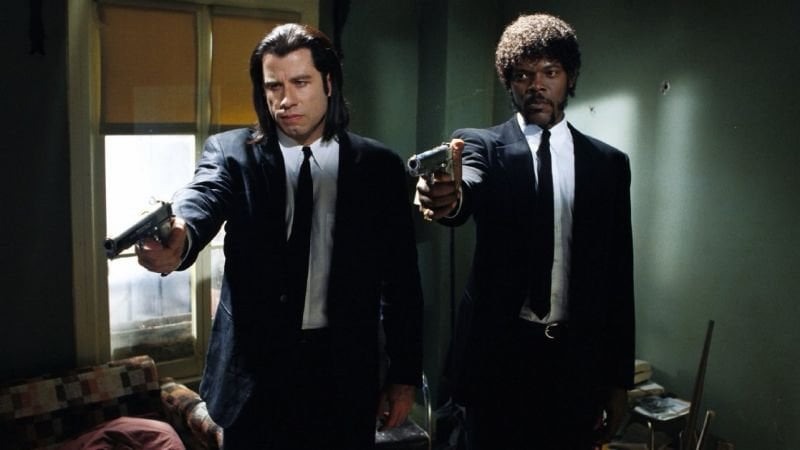
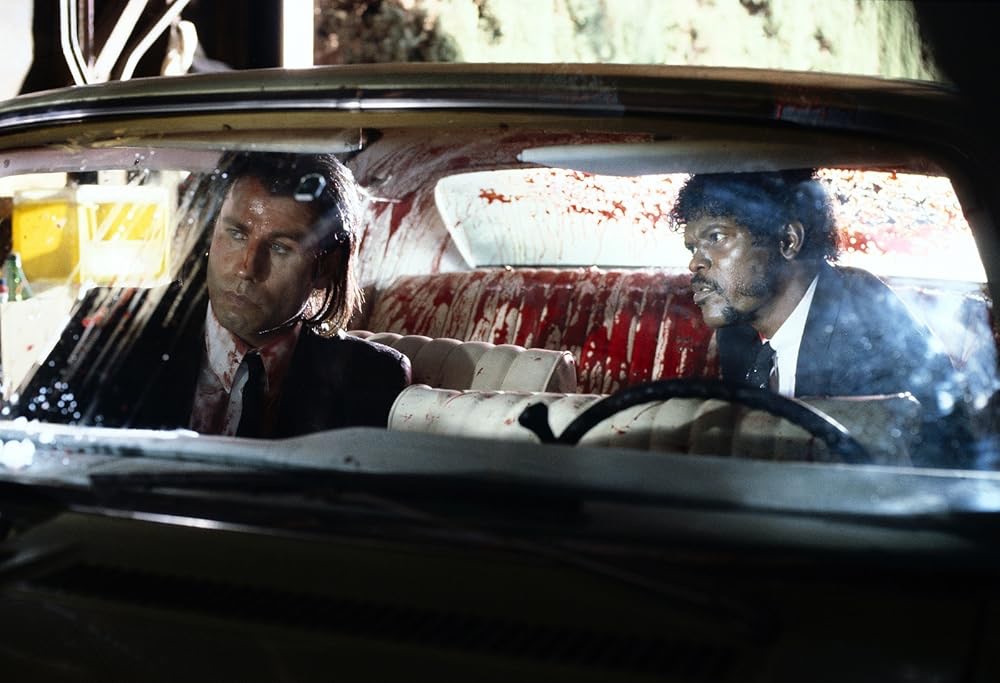
One scene that stayed with me is the accidental shooting in the car. The gun fires unexpectedly, and my body reacts instantly. But almost immediately, the characters calmly discuss how to clean up the mess, with an oddly casual tone. The emotional shift is so quick that I don’t have time to process it. I’m simply carried along by the rhythm.
This experience reminds me of today’s media environment. When we scroll through social media, we might see serious news one moment and a funny clip the next. Emotions are constantly interrupted and restarted. In Post-Continuity, Shaviro describes how contemporary media often abandons smooth continuity in favor of rupture and impact. Although Pulp Fiction predates digital platforms, it anticipates this fragmented mode of viewing on an emotional level.
More importantly, the film does not provide a clear emotional conclusion. There is no single cathartic climax or moral resolution. When it ends, I am not left with one defined feeling but with a lingering, complex mood. As Francesco Casetti argues in The Lumière Galaxy, cinema today is no longer just a closed text but an experience that circulates across media environments. The emotion of Pulp Fiction feels less like a solved problem and more like an ongoing atmosphere.
Maybe that is why it still feels modern. It does not organize time neatly, nor does it tidy up emotion. When time fragments, emotion fragments too. And that instability feels closer to lived experience.
references
Shaviro, Steven. Post-Cinematic Affect.
Shaviro, Steven. Post-Continuity: An Introduction.
Casetti, Francesco. The Lumière Galaxy.
 Digital Audiovisual Media Class Blog
Leave a comment